-
Events
-
Festival of Speed
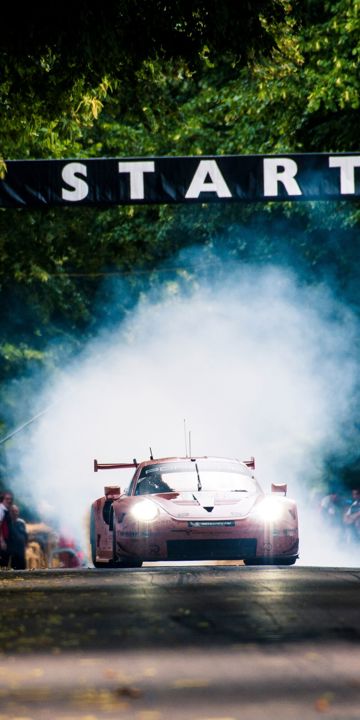

Taming the "Beast"
The Fiat S76 or "Beast of Turin" is a Goodwood favourite and can usually be heard before it is seen at #FOS
-
Goodwood Revival
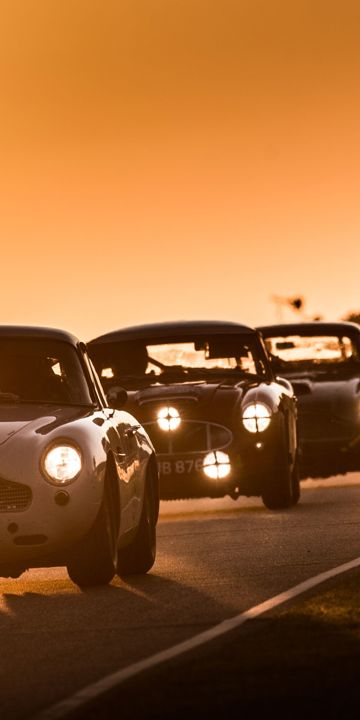

"Mr Goodwood"
Sir Stirling Moss was one of the founding patrons of the Festival of Speed, and a regular competitor at the Revival.
-
Members' Meeting

More than motorsport...
Ferret racing and duck herding are two of the many off-track activities at Members' Meeting -
Qatar Goodwood Festival


Why walk when you can drive
The first ever horsebox was used from Goodwood to Doncaster for the 1836 St. Leger. Elis arrived fresh and easily won his owner a £12k bet.
-
Goodwoof
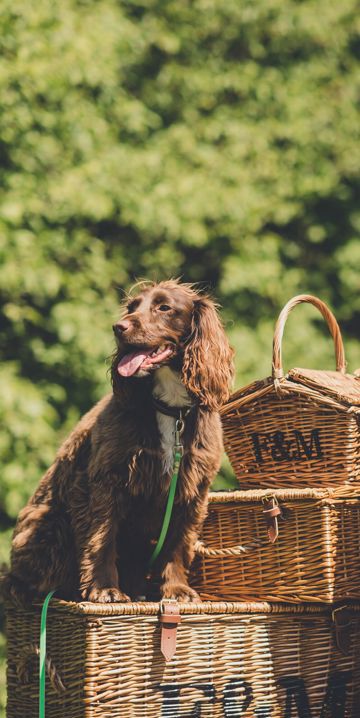

Start in style
The breed parade sees hundreds of dogs and their owners walk from Goodwood House down to The Kennels to kick start the Goodwoof weekend. -
Horseracing
-
Season Opener
-
May Festival
-
Family Race Day
-
Three Friday Nights
-
August Bank Holiday
-
Midweek Racing
-
Season Finale
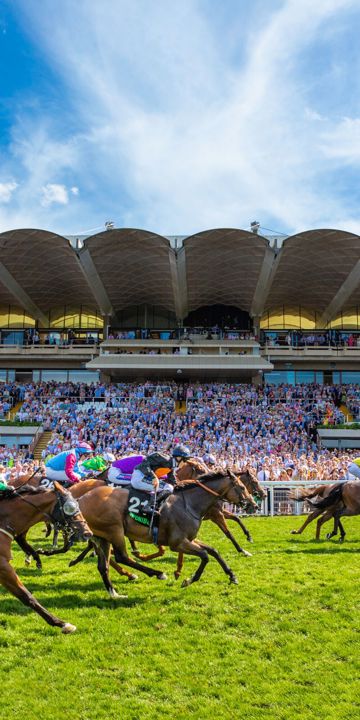
Why walk when you can drive
The first ever horsebox was used from Goodwood to Doncaster for the 1836 St. Leger. Elis arrived fresh and easily won his owner a £12k bet.
-
Season Opener
-
Breakfast Club
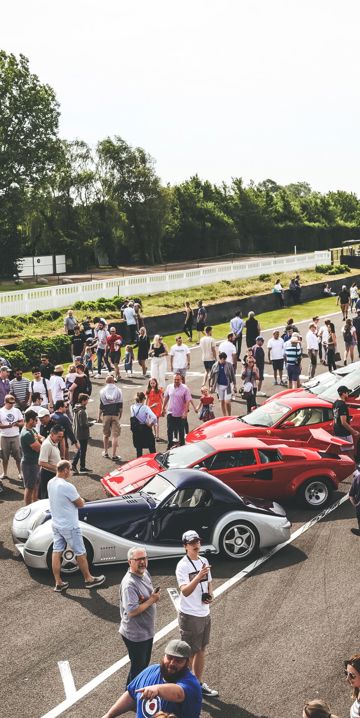

A perfect Sunday morning?
A no-cost, all-welcome motoring show where the visitors and their machines are the stars -
Hospitality
-
Exhibiting
-
Partnerships
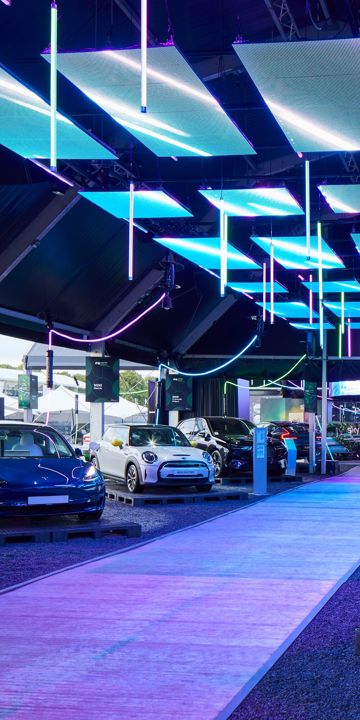

Where else can you...
...plan strategy in an ancient woodland, enjoy award-winning dining then drive around a -racetrack? -
What's on
-
Festival of Speed
-
Visit, Eat, Stay
-
The Goodwood Hotel

St Simon
Whoa Simon! A horse so determined and headstrong, he not only won the 1883 Goodwood Cup by 20 lengths, but couldn't be stopped and carried on running over the top of Trundle hill
-
Goodwood Cottages

Flying Elephant
The first thing ever dropped at Goodwood was a cuddly elephant which landed in 1932 just as the 9th Duke of Richmonds passion for flying was taking off.
-
Goodwood House

Scottish Heritage
The Gordon Tartan has been worn by the Dukes and Duchesses over the last 300 years.
-
Restaurants

Sustainable state-of-mind
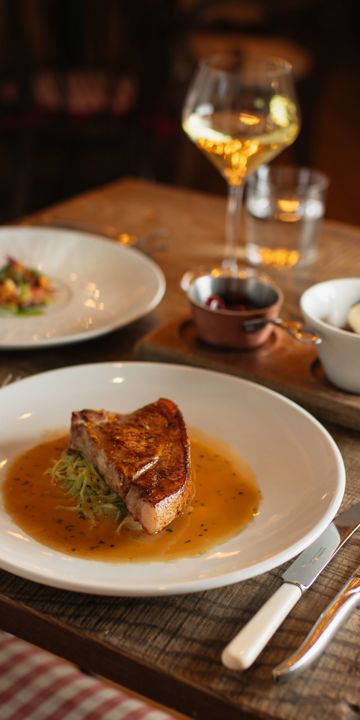
When Farmer, Butcher, Chef opened in 2016 it was awarded the UK’s first-ever Royal Academy of Culinary Arts ‘Sustainable Food Philosophy Seal’. -
The Kennels
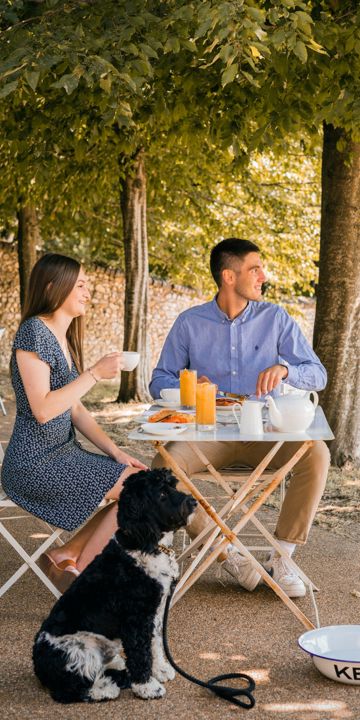

Fashionable foxhounds
The 1st Duke of Richmond bought Goodwood in 1697 as a place to stay to go foxhunting with the fashionable Charlton Hunt. -
Motor Circuit
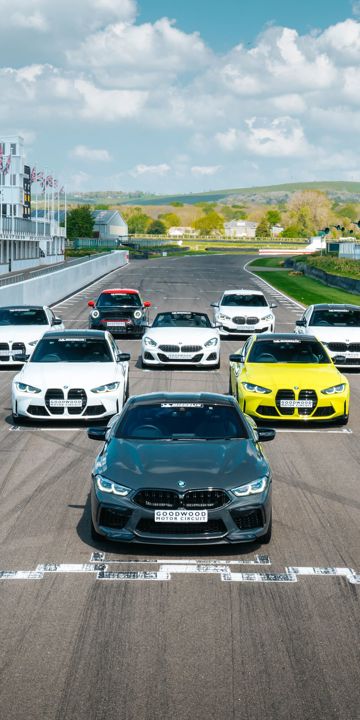

Cricketers since 1702
The oldest existing rules for the game were drawn up for a match between the 2nd Duke and a neighbour
-
Health & Wellbeing
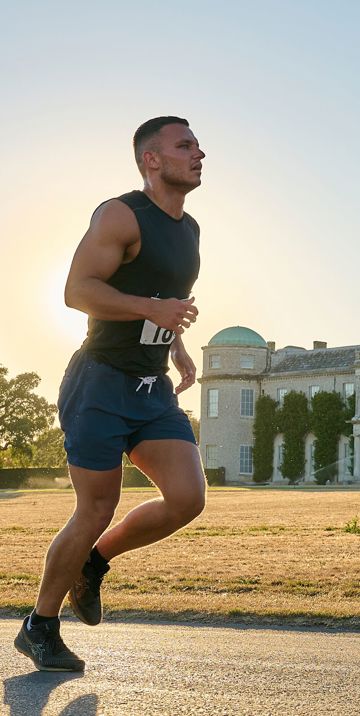

Goodwood's first Health Summit...
...took place in 2023 with industry experts discussing nutrition costs and food systems for a healthier future. -
Hound Lodge
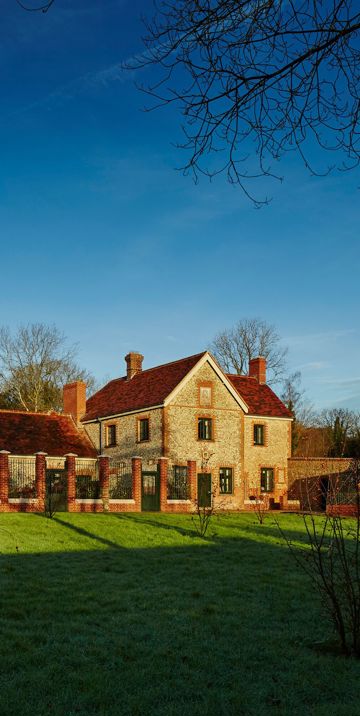

On-demand
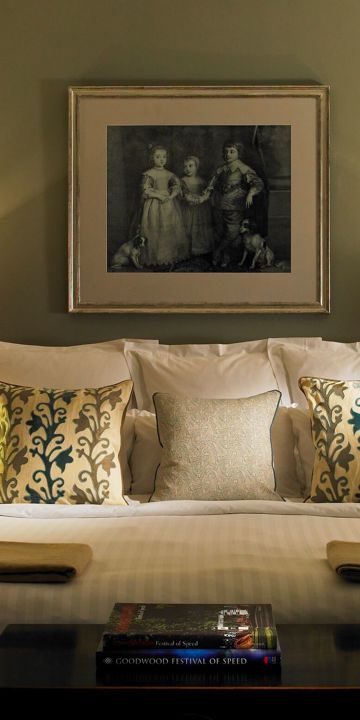
Each room has it's own button to ring for James (your butler) whenever and whatever you need him for.
-
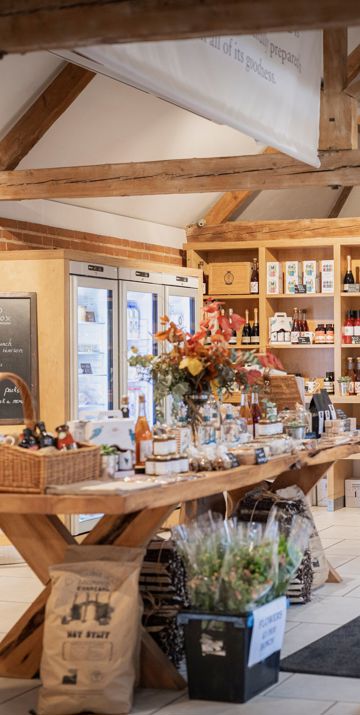
Goodwood Farm Shop

Grogger
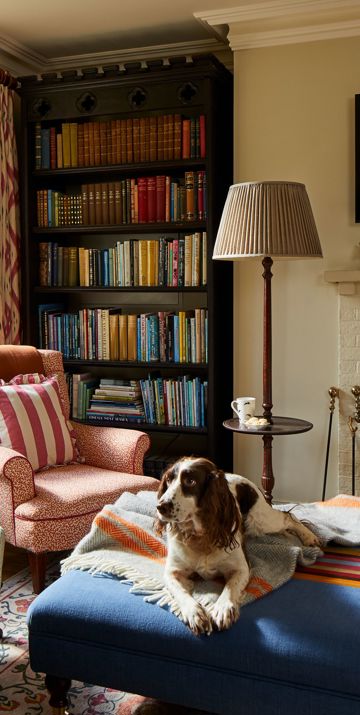
Easy boy! The charismatic Farnham Flyer loved to celebrate every win with a pint of beer. His Boxer dog, Grogger, did too and had a tendancy to steal sips straight from the glass.
-
Occasions
-
Goodwood Art Foundation
-
The Goodwood Hotel
-
Motorsport
-
Festival of Speed
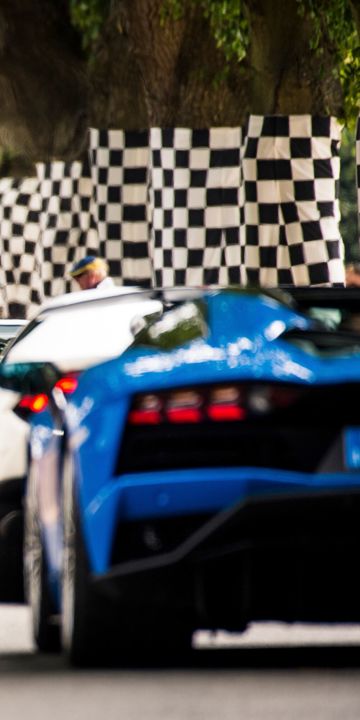

Mad Mike
FOS Favourite Mad Mike Whiddett can be caught melting tyres in his incredible collection of cars (and trucks) up the hillclimb
-
Goodwood Revival
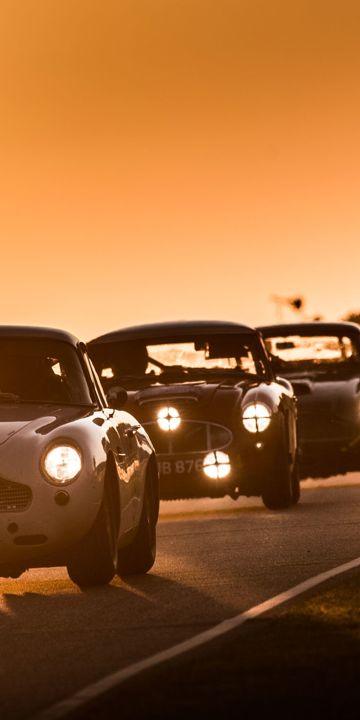
"Mr Goodwood"
Sir Stirling Moss was one of the founding patrons of the Festival of Speed, and a regular competitor at the Revival.
-
Members' Meeting
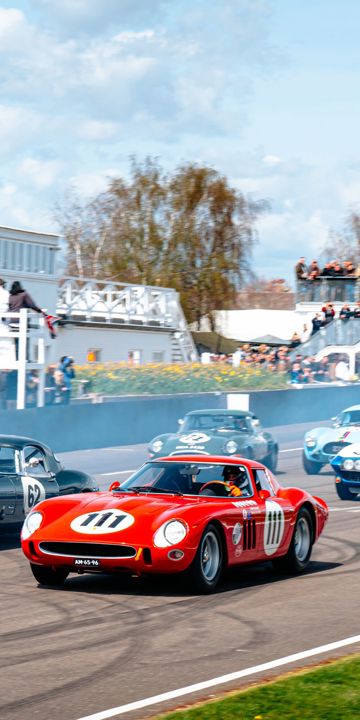

Have you visited our Forest Rally Stage?
From 2005 to present there has been a demonstration area for the rally cars at the top of the hill
-
Breakfast Club
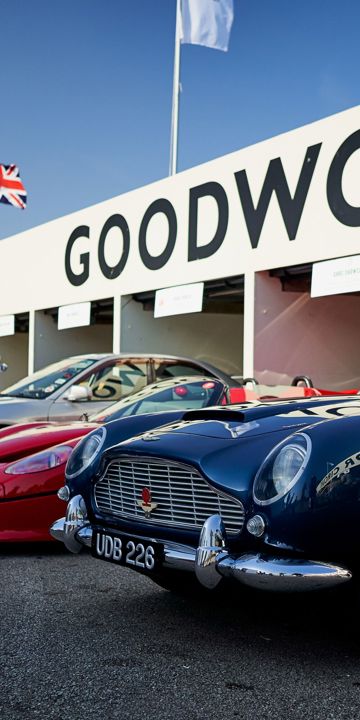

The Hillclimb
The 1.16-mile hillclimb has been the centre of the action since the first festival in 1993. -
Motor Circuit
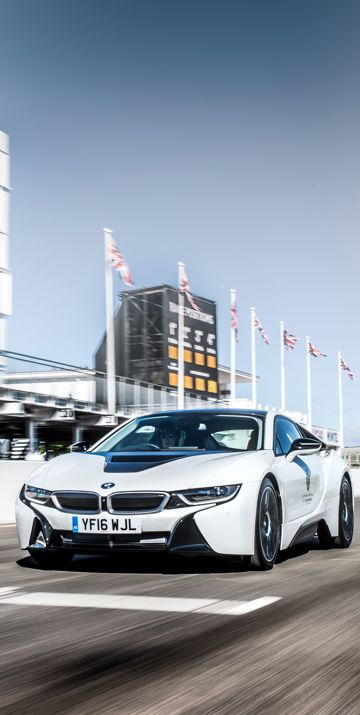

The Silver Spitfire
The iconic spitfire covered almost 43,000 kilometres and visited over 20 countries on its epic journey and currently resides at our Aerodrome.
-
Driving Experiences
Mad Mike
FOS Favourite Mad Mike Whiddett can be caught melting tyres in his incredible collection of cars (and trucks) up the hillclimb
-
Goodwood Road Racing Club
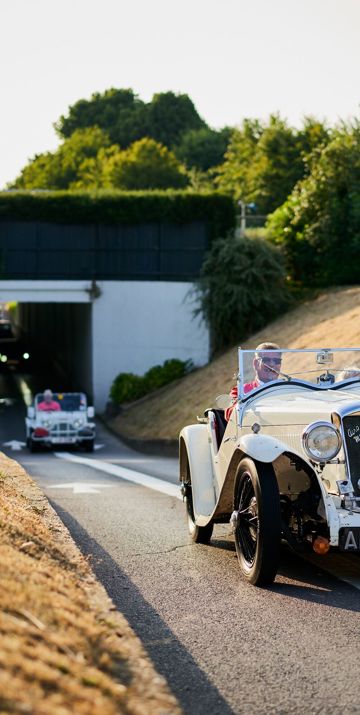
The Hillclimb
The 1.16-mile hillclimb has been the centre of the action since the first festival in 1993. -
Goodwood Road & Racing
-
Festival of Speed
-
Horseracing
-
Tickets & Packages
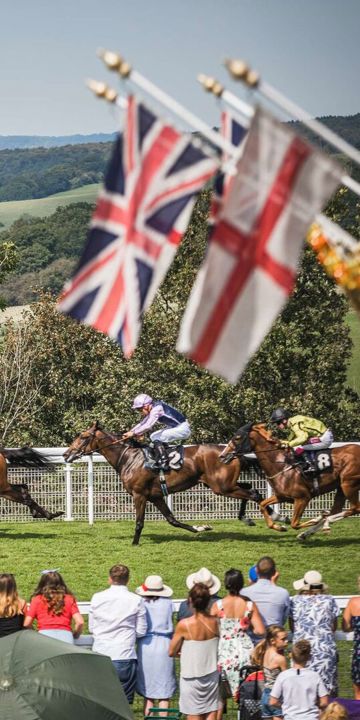

Why does everyone wear hats?
One Summer, King Edward VII turned his back on the traditional morning suit, and donned a linen suit and Panama hat. Thus the Glorious Goodwood trend was born.
-
Fixtures & Events
-
Season Opener
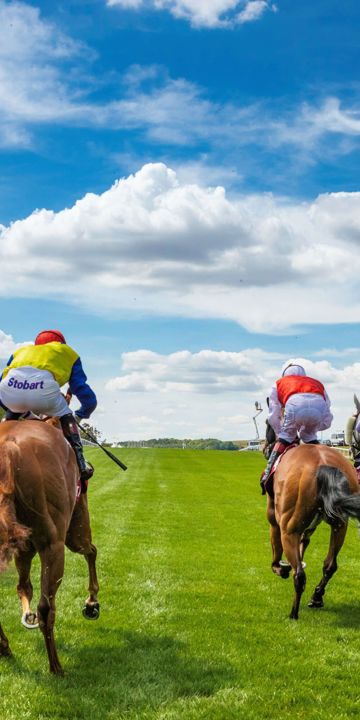
-
May Festival
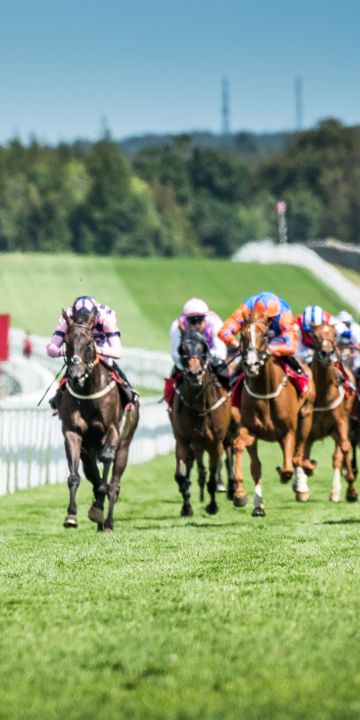
-
Family Race Day
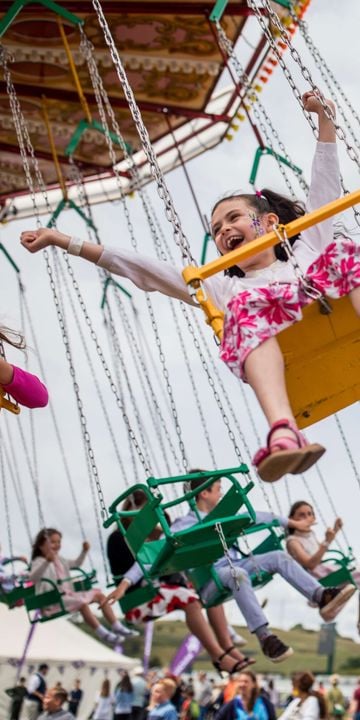
-
Three Friday Nights
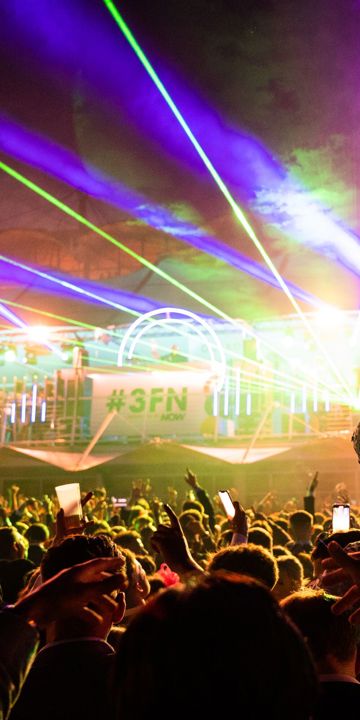
-
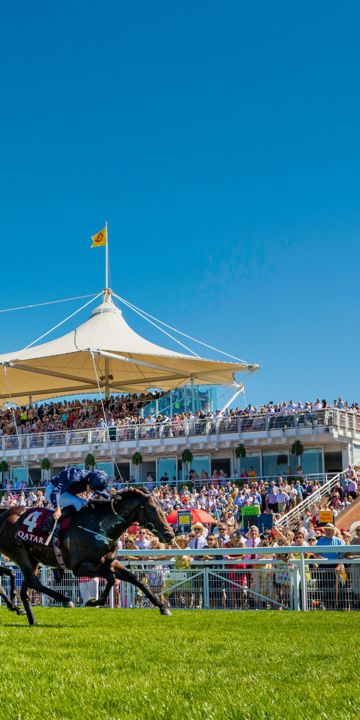
Qatar Goodwood Festival
-
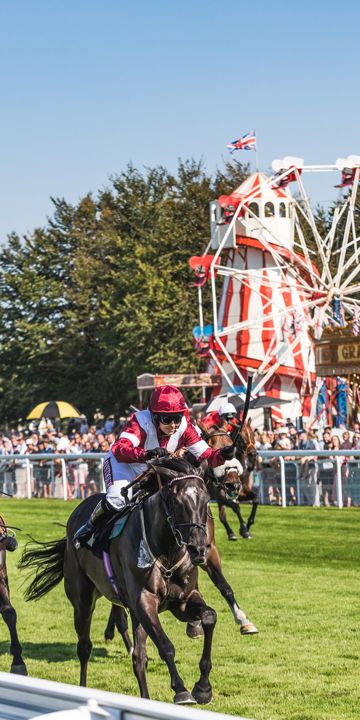
August Bank Holiday
-
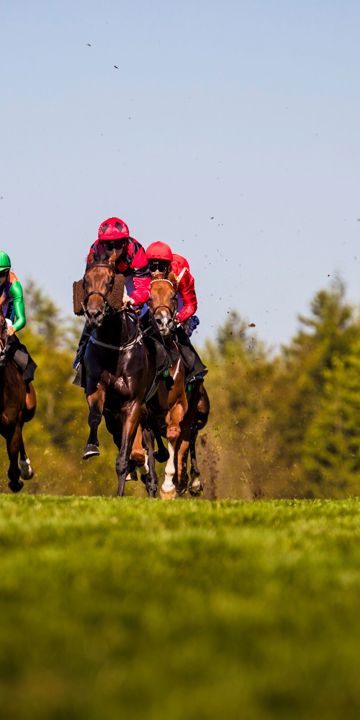
Autumn Racing
-
Season Finale
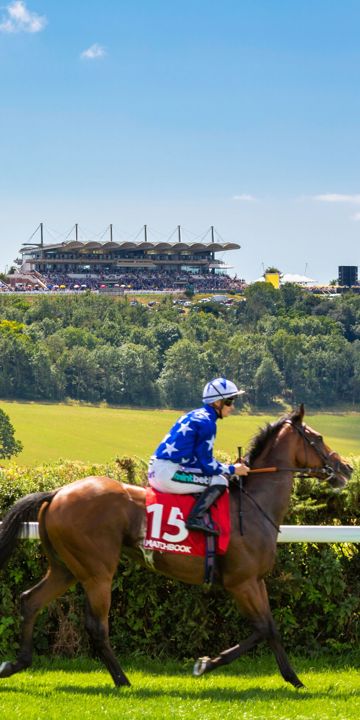
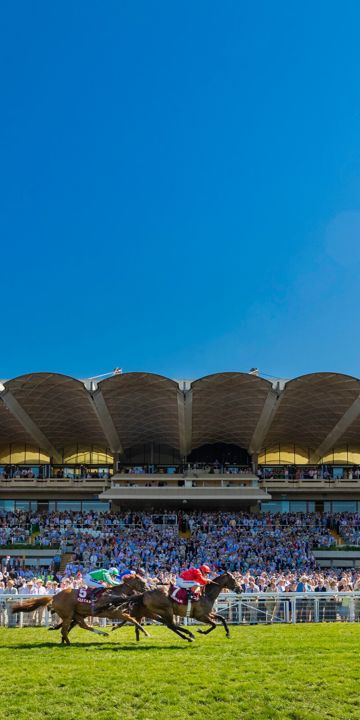

Royal approval
King Edward VII (who came almost every year) famously dubbed Glorious Goodwood “a garden party with racing tacked on”.
-
Season Opener
-
Qatar Goodwood Festival
Royal approval
King Edward VII (who came almost every year) famously dubbed Glorious Goodwood “a garden party with racing tacked on”.
-
Three Friday Nights
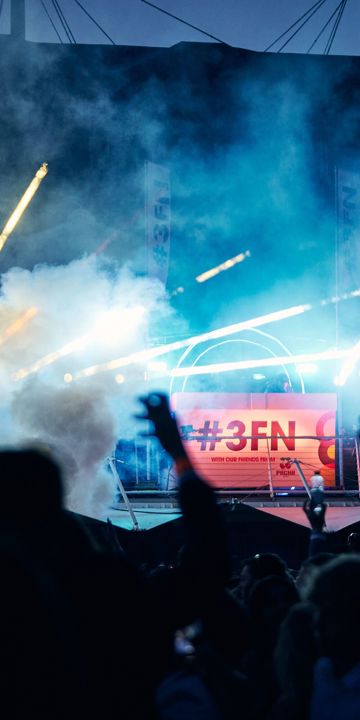
Why does everyone wear hats?
One Summer, King Edward VII turned his back on the traditional morning suit, and donned a linen suit and Panama hat. Thus the Glorious Goodwood trend was born.
-
Hospitality
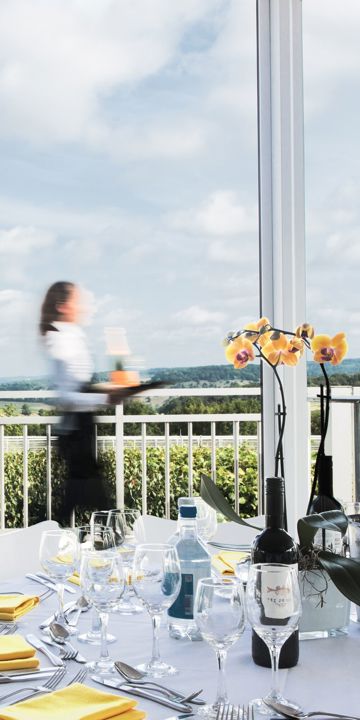

"Glorious Goodwood"
The first public race meeting took place in 1802 and, through the nineteenth century, ‘Glorious Goodwood,’ as the press named it, became a highlight of the summer season
-
Partners
-
Plan Your Day
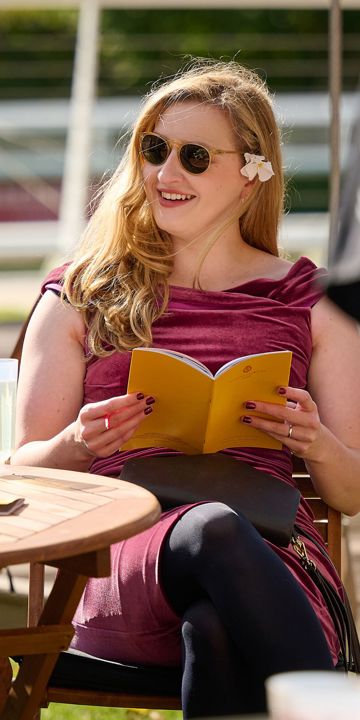
Why does everyone wear hats?
One Summer, King Edward VII turned his back on the traditional morning suit, and donned a linen suit and Panama hat. Thus the Glorious Goodwood trend was born.
-
Food and Drink
-
Owners & Trainers
-
Racecourse Membership
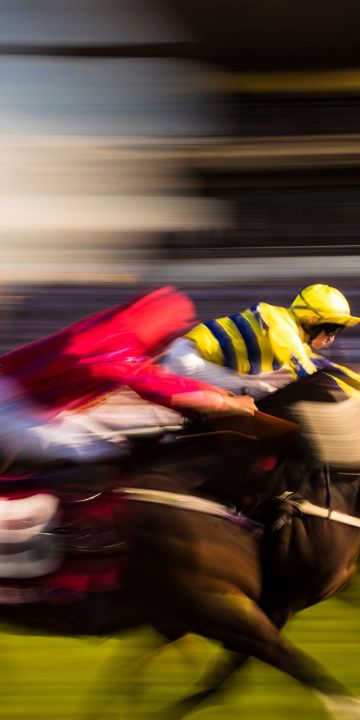
Why does everyone wear hats?
One Summer, King Edward VII turned his back on the traditional morning suit, and donned a linen suit and Panama hat. Thus the Glorious Goodwood trend was born.
-
FAQs
-
Accessibility
-
Tickets & Packages
-
Experiences
-
Driving
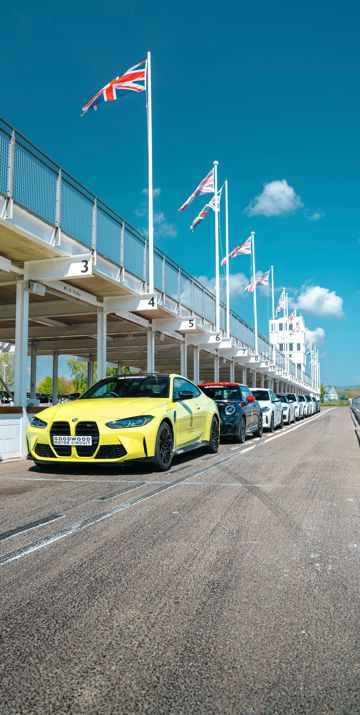

Driving experiences
Unleashed your driving skils -
Flying
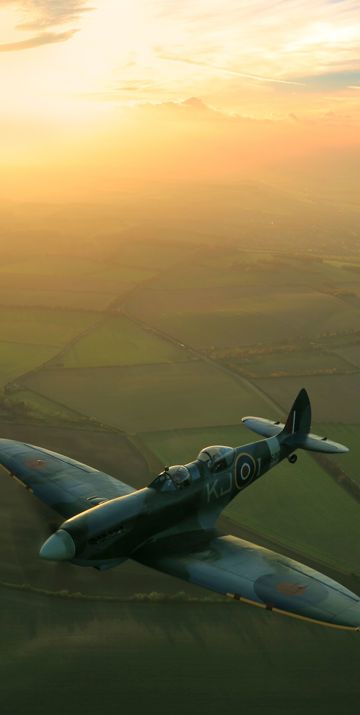

During the war...
The Motor Circuit was known as RAF Westhampnett, active from 1940 to 1946 as a Battle of Britain station.
-
Golf
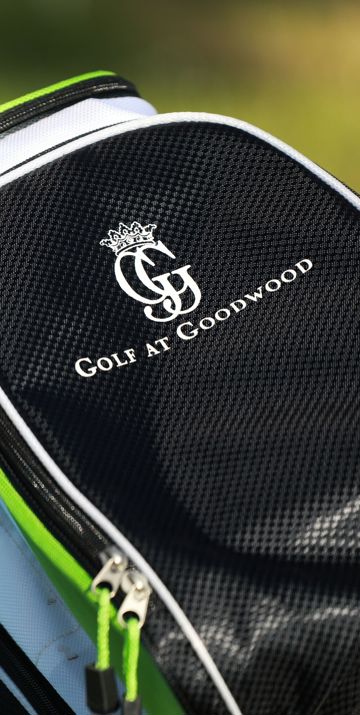

Over 100 years of Golf
The first ever round of golf played at Goodwood was in 1914 when the 6th Duke of Richmond opened the course on the Downs above Goodwood House.
-
Shooting
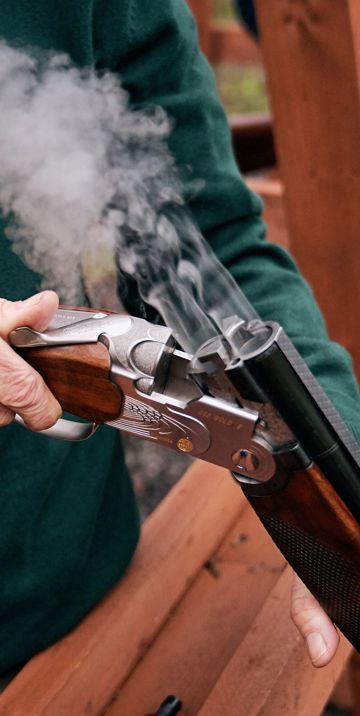

Egyptian Dining Room
Testament to the 19th-century fascination with ancient Egypt and decorative opulence. The room is richly detailed with gilded cartouches, sphinxes, birds and crocodiles.
-
Afternoon Tea
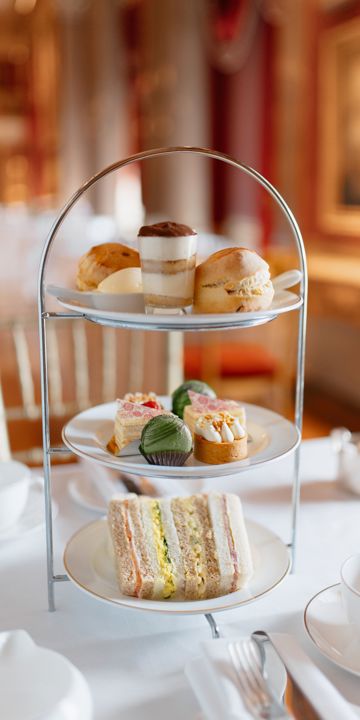
St Simon
Whoa Simon! A horse so determined and headstrong, he not only won the 1883 Goodwood Cup by 20 lengths, but couldn't be stopped and carried on running over the top of Trundle hill
-
Corporate Wellbeing
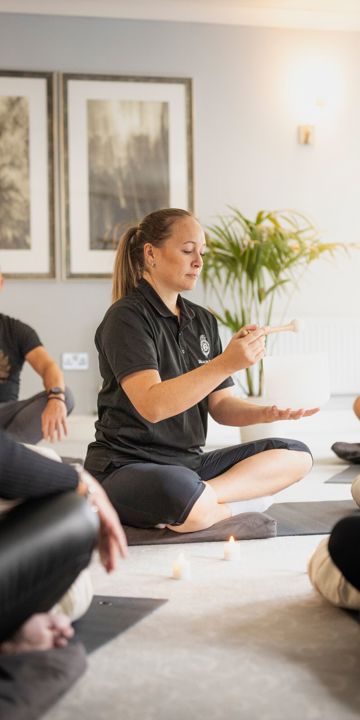
Goodwood's first Health Summit...
...took place in 2023 with industry experts discussing nutrition costs and food systems for a healthier future. -
Cycling
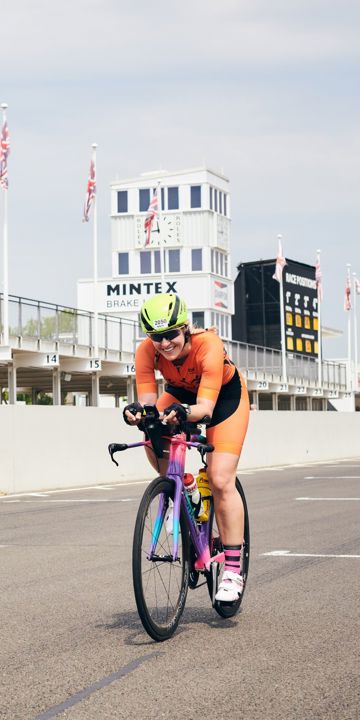

Ace Pilot
Ray Hanna famously flew straight down Goodwood’s pit straight below the height of the grandstands at the first Revival in 1998
-
Corporate Experiences
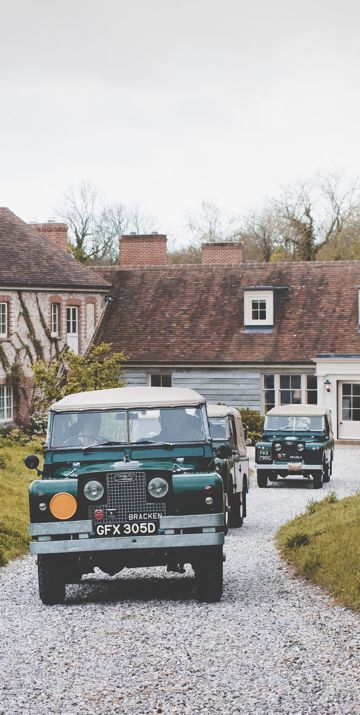
Where else can you...
...plan strategy in an ancient woodland, enjoy award-winning dining then drive around a -racetrack? -
Spa Treatments
-
Driving
-
Golf
-
Golf Courses
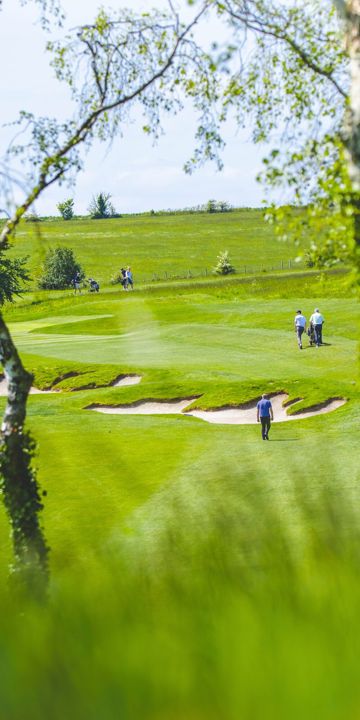

A sporting Estate
Goodwood has two 18-hole championship courses, a modern clubhouse and an impressive Academy. -
Golf Membership
-
Credit Membership
-
Application Form
-
Intermediate Membership
-
Junior Membership
-
Corporate Membership
-
Copse Membership
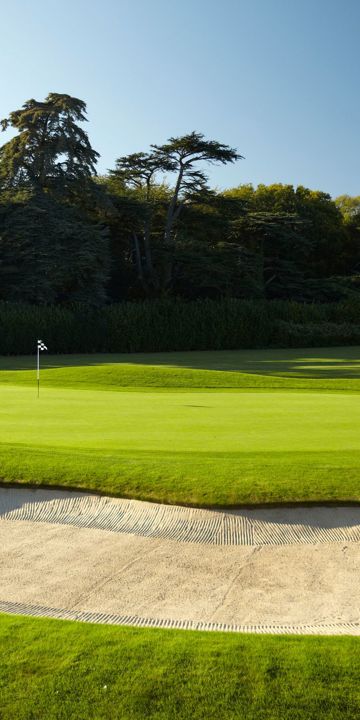

Braid’s Masterpiece
One of the greatest golfers of all time, James Braid designed Goodwood’s iconic Downland course, opened in 1914.
-
Credit Membership
-
The Academy
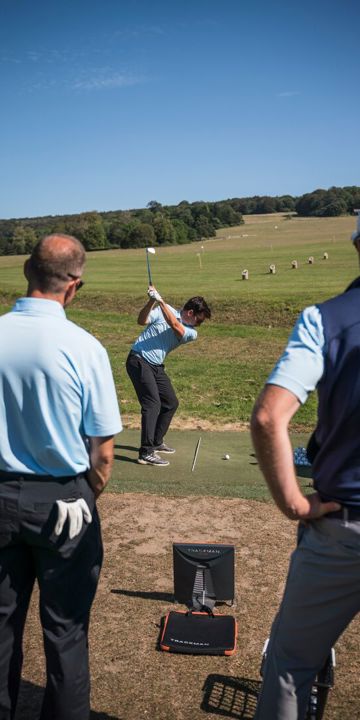
Over 100 years of Golf
The first ever round of golf played at Goodwood was in 1914 when the 6th Duke of Richmond opened the course on the Downs above Goodwood House.
-
Golf Experiences
Braid’s Masterpiece
One of the greatest golfers of all time, James Braid designed Goodwood’s iconic Downland course, opened in 1914.
-
Golf Courses
-
Flying
-
Flying School

Jet Packs
Flying jetpacks doesn't have to just be a spectator sport at FOS, you can have a go at our very own Aerodrome!
-
Aero Club Membership

Group Captain Sir Douglas Bader
The famous fighter ace, who flew his last sortie from Goodwood Aerodrome, formerly RAF Westhampnett has a statue in his honor within the airfield.
-
Flying Experiences
-
Pilot Information
Flying Elephant
The first thing ever dropped at Goodwood was a cuddly elephant which landed in 1932 just as the 9th Duke of Richmonds passion for flying was taking off.
-
Flying School
-
Meetings
-
Venue Hire
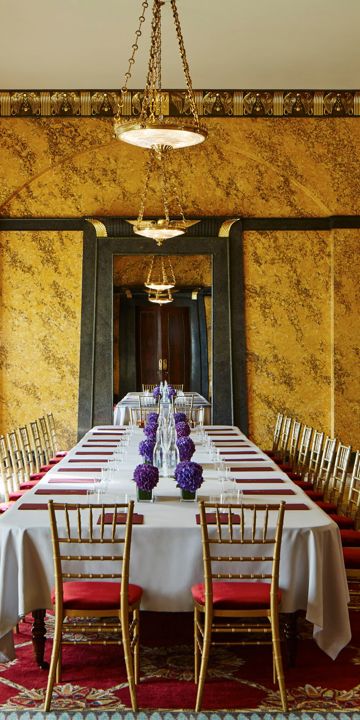
Where else can you...
...plan strategy in an ancient woodland, enjoy award-winning dining then drive around a -racetrack? -
Hospitality
-
Corporate Experiences
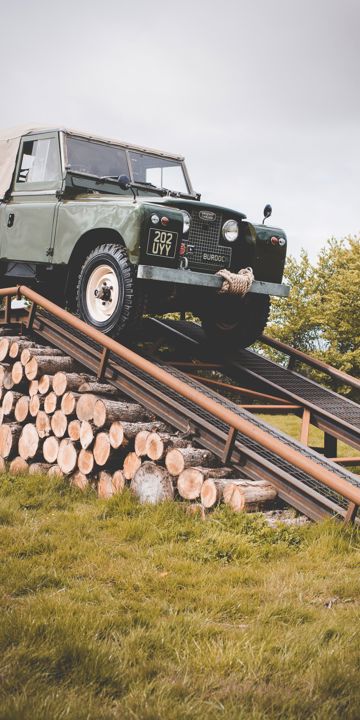
Where else can you...
...plan strategy in an ancient woodland, enjoy award-winning dining then drive around a -racetrack? -
Corporate Wellbeing
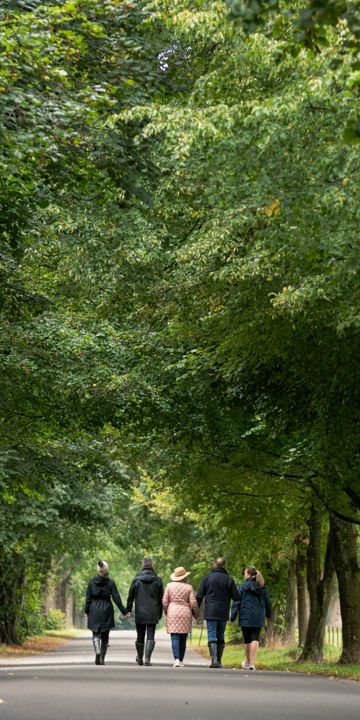
Goodwood's first Health Summit...
...took place in 2023 with industry experts discussing nutrition costs and food systems for a healthier future. -
Film Locations
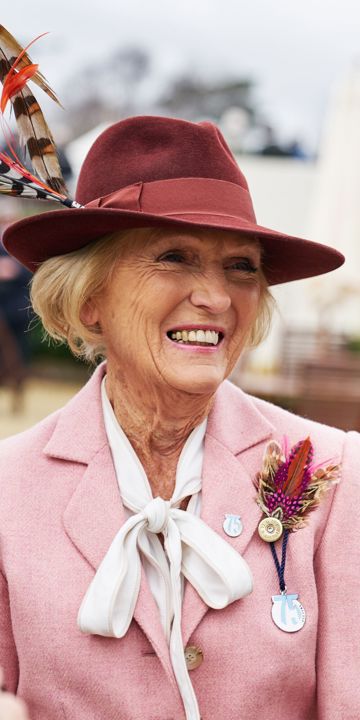
Where else can you...
...plan strategy in an ancient woodland, enjoy award-winning dining then drive around a -racetrack?
-
Venue Hire
-
Weddings
-
Goodwood House
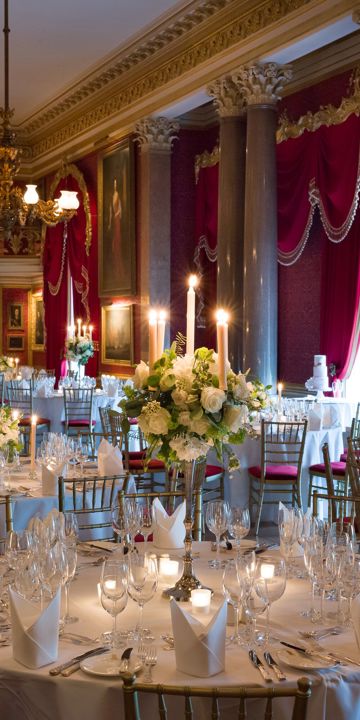
Copper Turrets
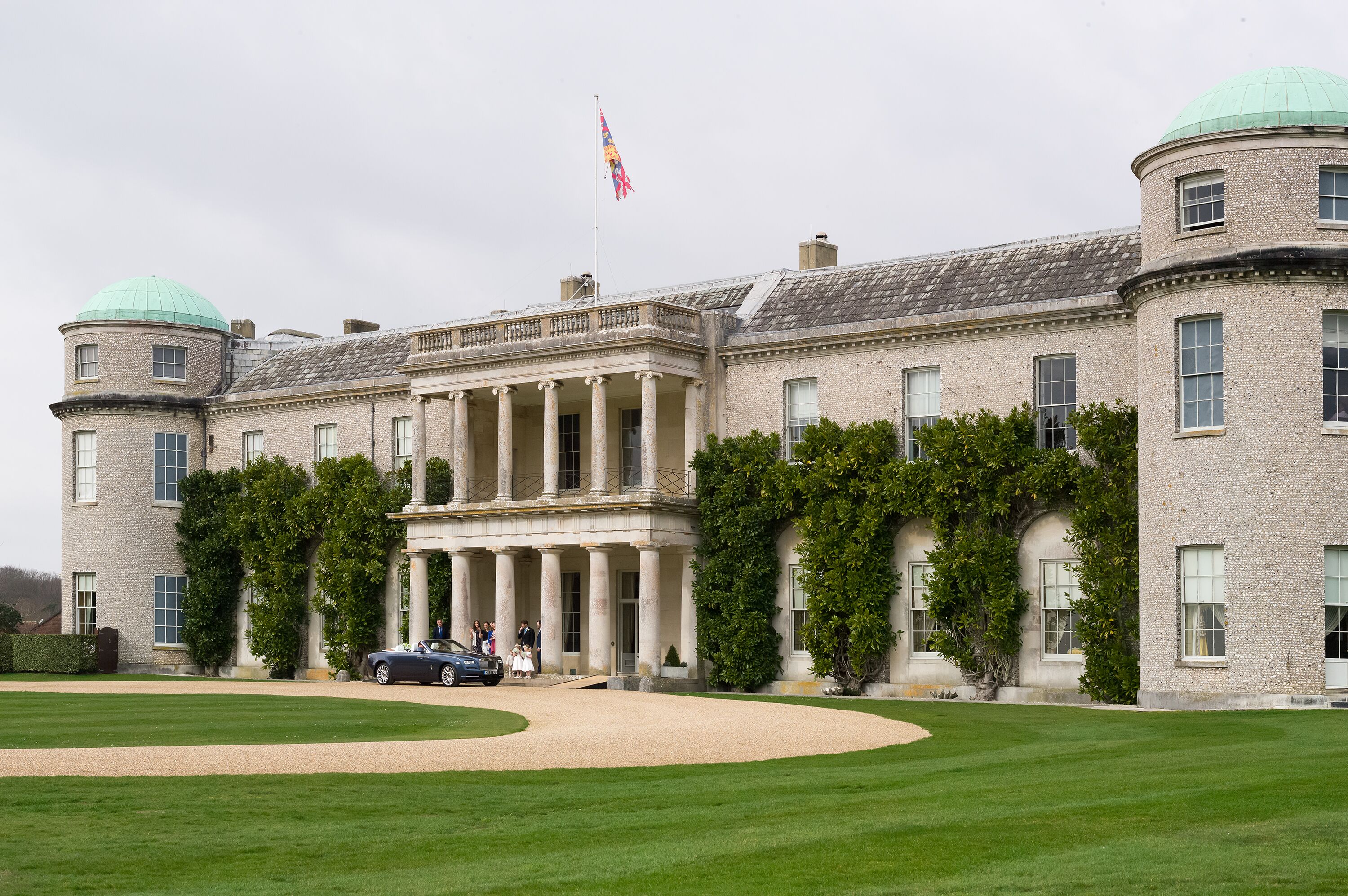
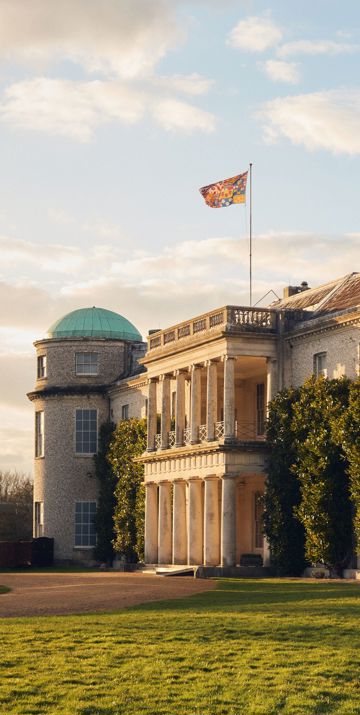
After a fire in 1791 at Richmond House in Whitehall, London, James Wyatt added two great wings to showcase the saved collection at Goodwood. To give unity to the two new wings, Wyatt added copper-domed turrets framing each façade.
-
The Kennels
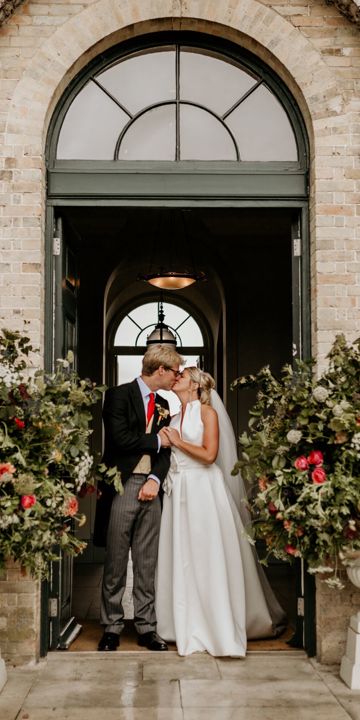

An exclusive clubhouse
As the private clubhouse for all of the Estate’s sporting and social members, it offers personal service and a relaxed atmosphere
-
The Goodwood Hotel
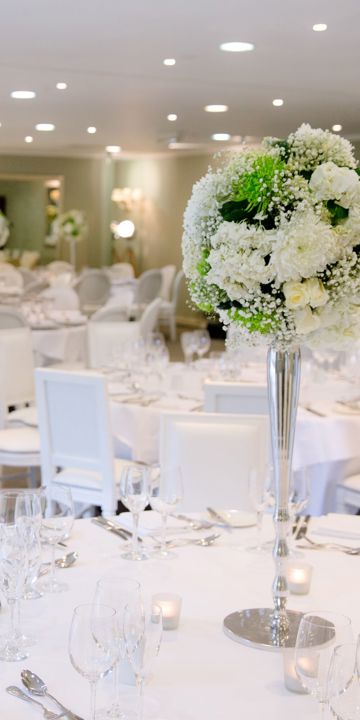

Advice from our Head Butler
Ensure you take a little time out together to pause and take in the celebration of all the hard work you put in will be a treasured memory.
-
Occasions
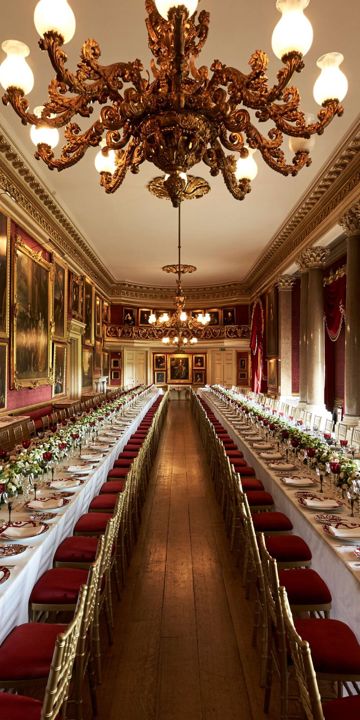
Where else can you...
...plan strategy in an ancient woodland, enjoy award-winning dining then drive around a -racetrack?
-
Goodwood House
-
Memberships
-
Goodwood Road Racing Club
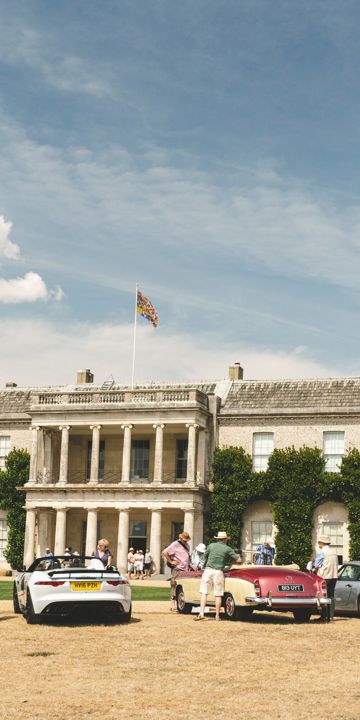
When was the GRRC founded?
Established in 1998 by the Duke of Richmond, the Goodwood Road Racing Club offers exclusive benefits across the estate year-round -
Goodwood Horseracing Club
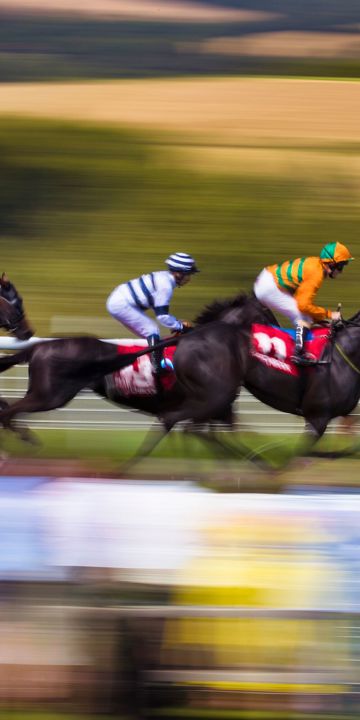

Racing Colours
The red & yellow of the Racecourse can be traced back hundreds of years, even captured in our stunning Stubbs paintings in the Goodwood Collection
-
Golf At Goodwood
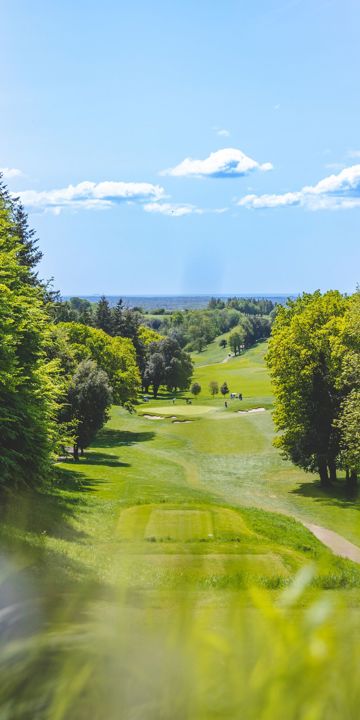
A sporting Estate
Goodwood has two 18-hole championship courses, a modern clubhouse and an impressive Academy. -
Goodwood Aero Club
During the war...
The Motor Circuit was known as RAF Westhampnett, active from 1940 to 1946 as a Battle of Britain station.
-
Goodwood Health Club
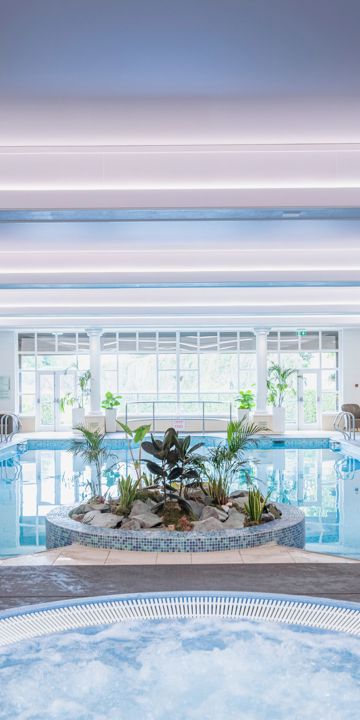
Goodwood's first Health Summit...
...took place in 2023 with industry experts discussing nutrition costs and food systems for a healthier future. -
The Kennels
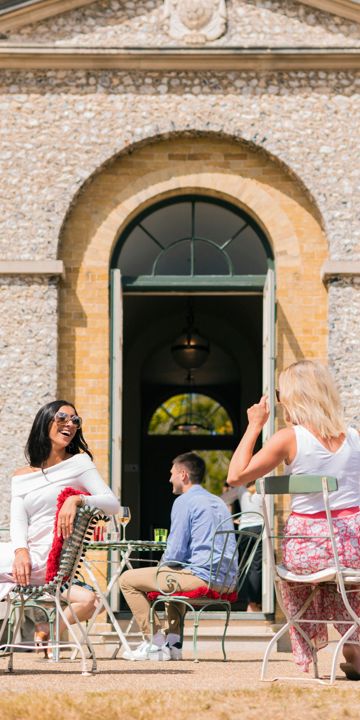
Fashionable foxhounds
The 1st Duke of Richmond bought Goodwood in 1697 as a place to stay to go foxhunting with the fashionable Charlton Hunt. -
Sporting Membership
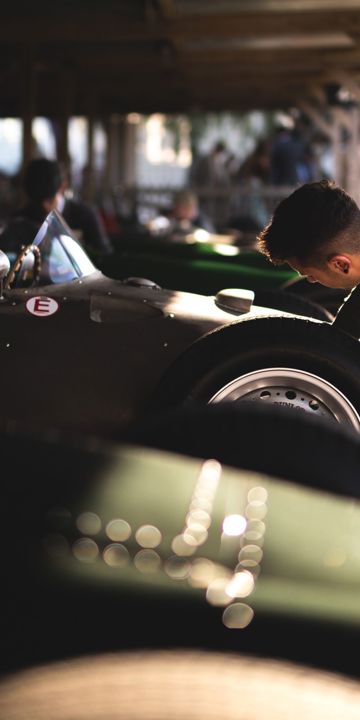
St Simon
Whoa Simon! A horse so determined and headstrong, he not only won the 1883 Goodwood Cup by 20 lengths, but couldn't be stopped and carried on running over the top of Trundle hill
-
Goodwood Racehorse Owners Group
-
Goodwood Road Racing Club
- Classic Car Insurance
- Health & Wellbeing
- Shop
-
Our Estate
-
Stories from the Estate
Estate Crest
"En la rose je fleurie" or "Like the rose, I flourish" is part of the Richmond coat of Arms and motto
-
Goodwood Education Trust

21,000 litres...
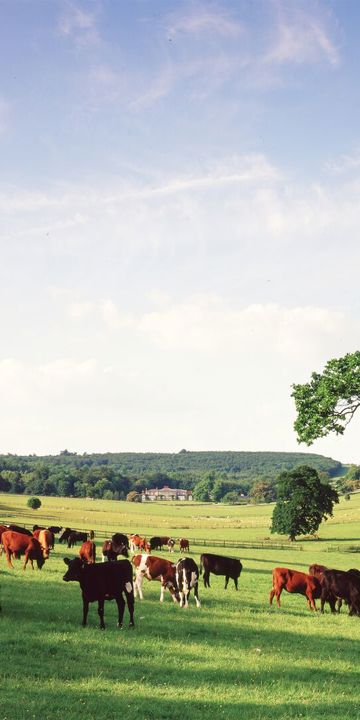
Alongside the award-winning meat, we also produce 21,000 litres of milk a week, used to make our cheeses. -
Charities
During the war...
The Motor Circuit was known as RAF Westhampnett, active from 1940 to 1946 as a Battle of Britain station.
-
Sustainability

Roots for the future
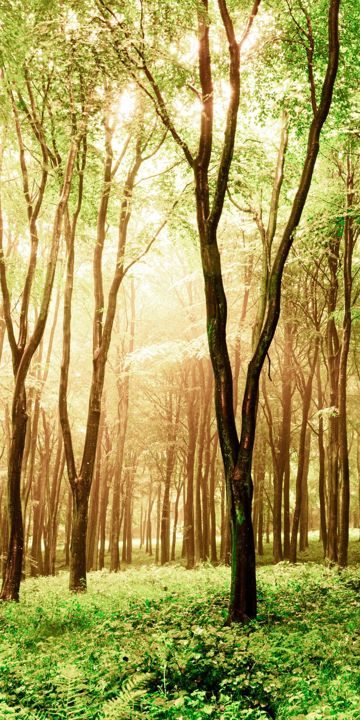
A 20m woodland rue, from Halnaker to Lavant, was planted by our forestry teams & volunteers, featuring native species like oak, beech, & hornbeam
-
Diversity, Equity & inclusion
-
Property
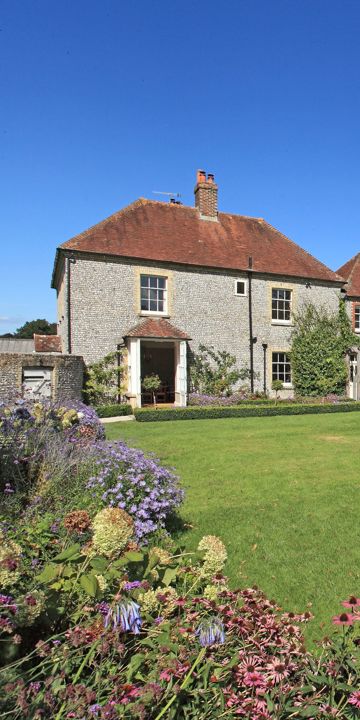
Filming at Goodwood
We have been host to many incredible film crews using Goodwood as a backdrop for shows like Downton Abbey, Hollywood Blockbusters like Venom: let there be Carnage and the Man from U.N.C.L.E.
-
Estate Map
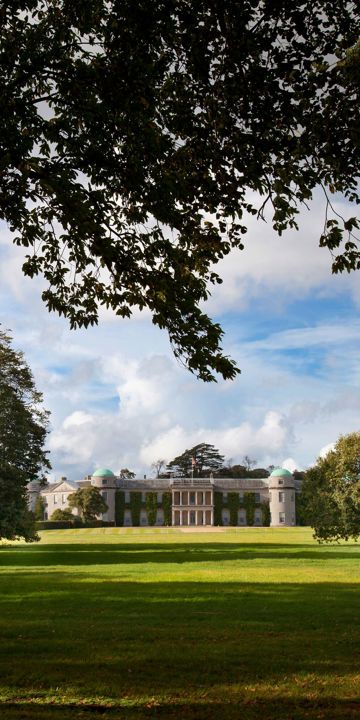

A different breed...
Goodwood’s pigs are a mix of two rare breeds (Gloucester Old Spots and Saddlebacks) plus the Large White Boar.
-
Walking Guide
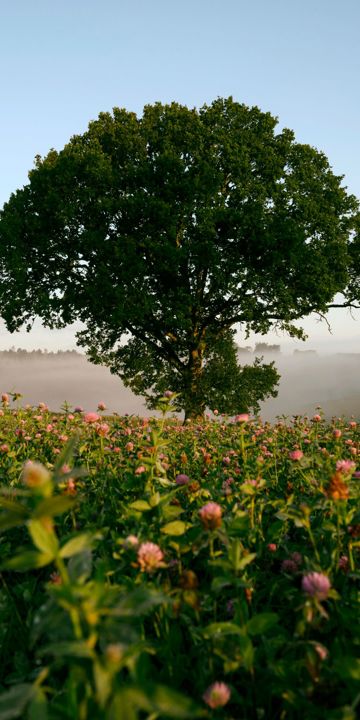
Egyptian Dining Room
Testament to the 19th-century fascination with ancient Egypt and decorative opulence. The room is richly detailed with gilded cartouches, sphinxes, birds and crocodiles.
-
Careers


During the war...
The Motor Circuit was known as RAF Westhampnett, active from 1940 to 1946 as a Battle of Britain station. -
Goodwood Art Foundation
-
What's on
-
Stories from the Estate
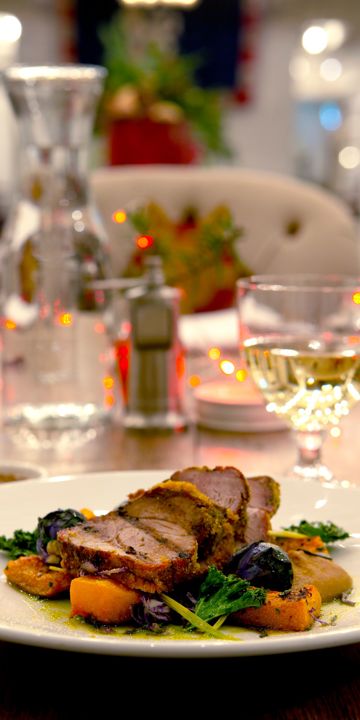
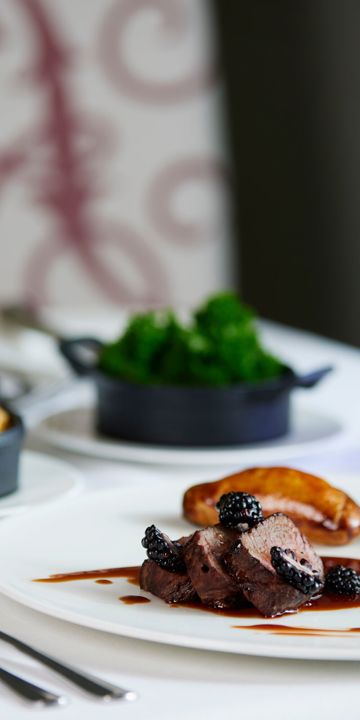

Raising the Steaks
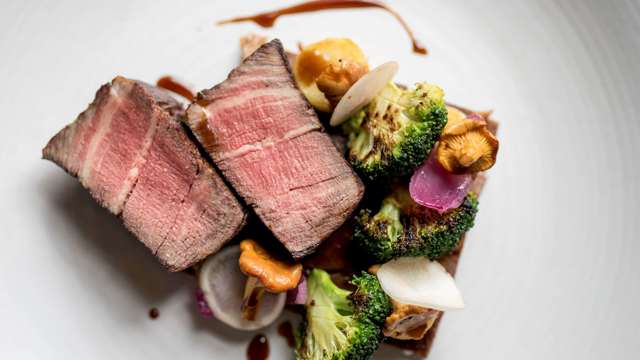
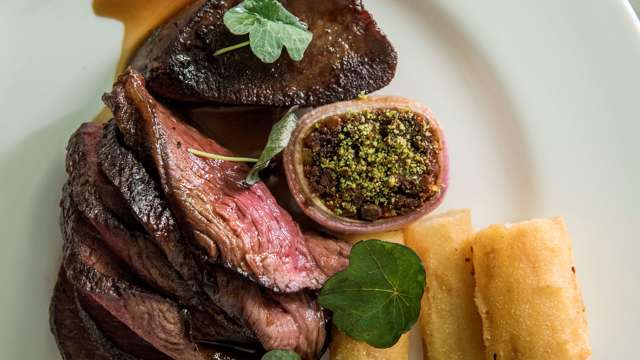
Meat from retired dairy cows is taking the restaurant world by storm, with chefs arguing that cuts from longer-living British animals could rival Japanese Wagyu.
Words by Charlotte Hogarth-Jones
Magazine
Food
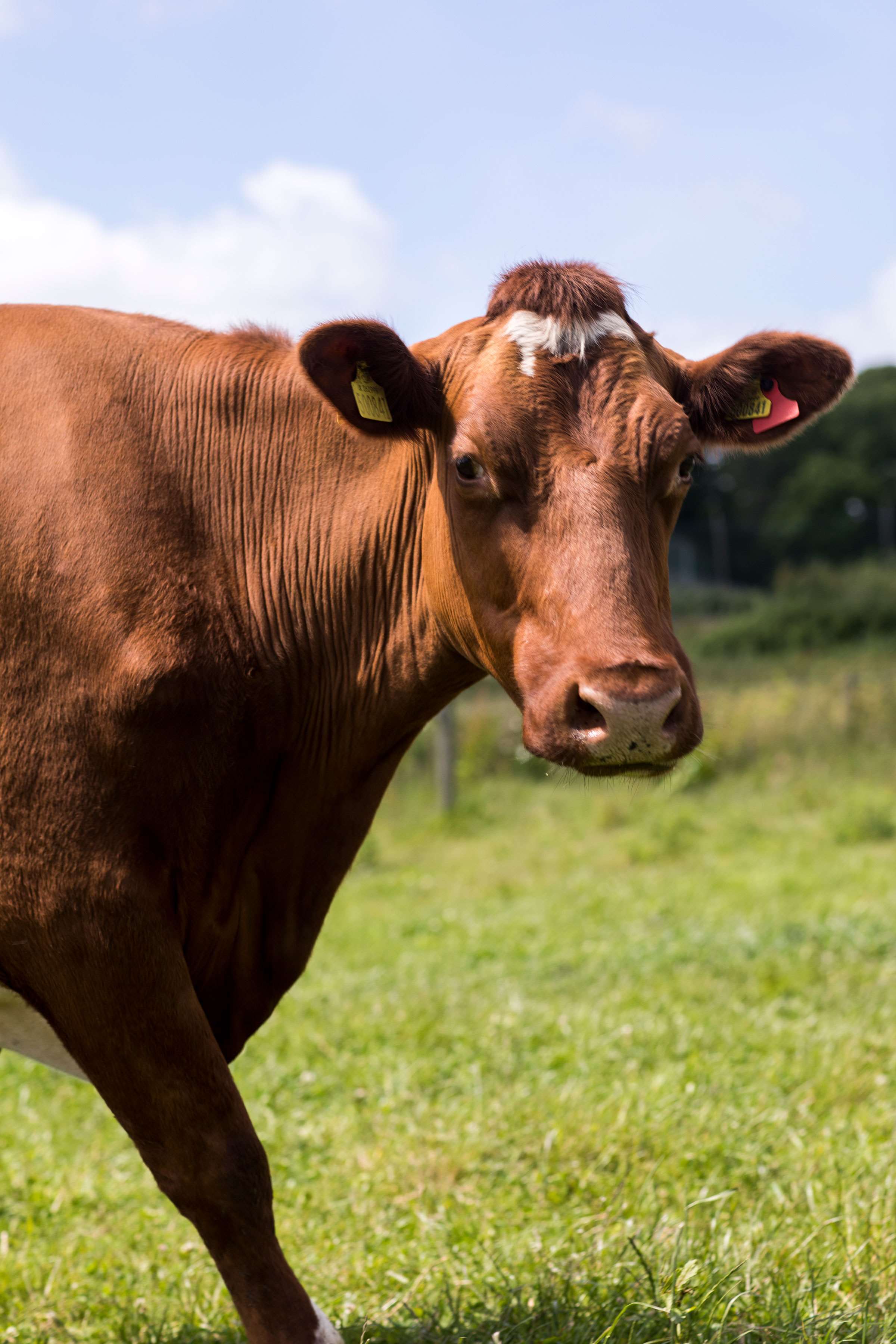
For years, highly sought-after Japanese Wagyu beef has been the mainstay of exclusive restaurant menus. Widely considered the most tender, flavoursome beef available, its popularity has endured despite its high price point. But now this could be about to change. Britain’s leading organic farmers are selling meat from retired dairy cows, claiming that its flavour is as intense and delicious, if not more so, than that from the Asian breeds.
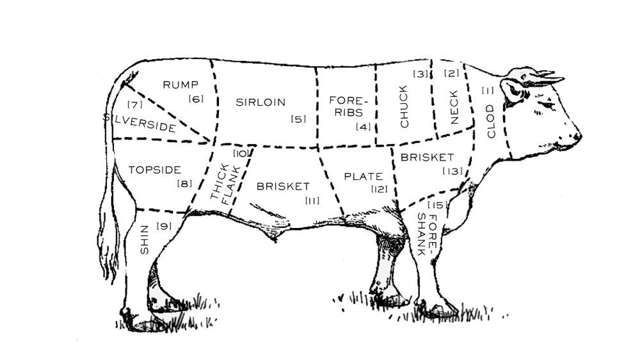
“It’s all to do with the marbling of the fat,” says Goodwood’s farmer Tim Hassell. “There’s a very high fat content on a dairy cow, and certain breeds are more suitable for this kind of meat than others – something like a Holstein, for example, isn’t as good as a Shorthorn, which carries much more fat.” Both Wagyu and dairy meat contain a high amount of marbling [fat found within a cut of meat], which melts as it cooks to create a rich taste with a tender, silky texture. Hassell speculates, moreover, that the Goodwood cows’ high-foraged, grass-fed diet might also contribute to the overall flavour.
“Demand for this kind of meat is absolutely growing,” Dan Austin, MD of Lake District Farmers, which supplies the likes of Le Gavroche, The Ledbury and Aviary, told The Telegraph back in October. “The [retired-dairy] meat has a fantastic, strong, rich flavour. It’s probably the best beef we produce.”
In fact, eating meat from animals that had lived long lives was common until relatively recently – it makes sense, given that the longer an animal lives, works, and fattens up, the more its flavour intensifies – but large supermarkets have driven demand for meat that’s intensively farmed, fattened quickly and slaughtered young – at around 30 months. Retired-dairy-meat sceptics need only look to the recent success of Galician and Basque beef, which is taken either from retired dairy cows or cows that have lived to around 17 years of age, and has met with approval in London restaurants such as Chiltern Firehouse, Barrafina and Kitty Fisher’s since around 2015. Chef Nigel Slater calls it “totally awesome”, while restaurant critic Jay Rayner went on a special quest in order to rediscover a steak he ate in the famously foodie Spanish town of San Sebastián.
a fantastic, strong, rich flavour. It's probably the best beef we produce.
Dan Austin


Join us at our sustainable restaurant Farmer, Butcher, Chef
For now, you can purchase Basque beef and organic retired-dairy beef from importers txuleta.co.uk, who also sell via turnerandgeorge.co.uk, while Coombe Farm Organic sells meat from its own dairy cows online at coombefarmorganic.co.uk.
“There’s been a rumbling about meat from retired dairy cows for the last couple of years,” says Hassell. “Chef [Darron Bunn of Goodwood restaurant Farmer, Butcher Chef] and myself have been talking about it for a while, so we’re going to age a couple of sirloins and ribs and give it a go. Farmer, Butcher, Chef prides itself on serving interesting new cuts and different kinds of meat, so we’ll try it out and see what the results are like. I like the idea in theory because it shows a bit more respect for the animal’s life than processing it for cheaper cuts. And if the meat really does taste amazing, then why not?”
Magazine
Food