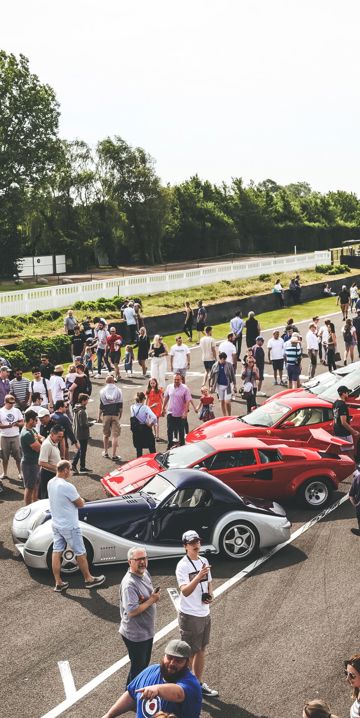
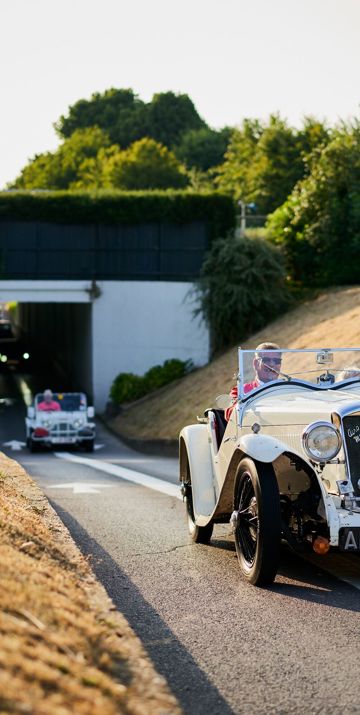
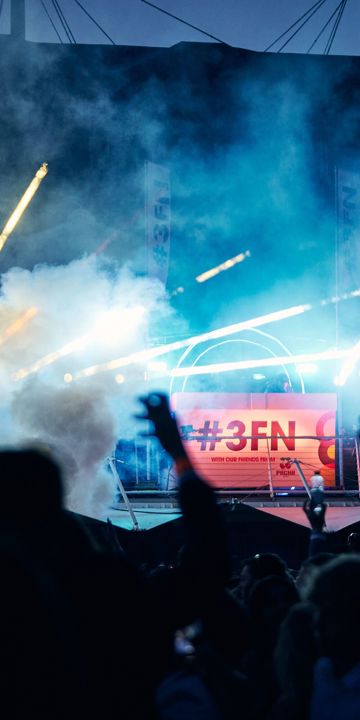
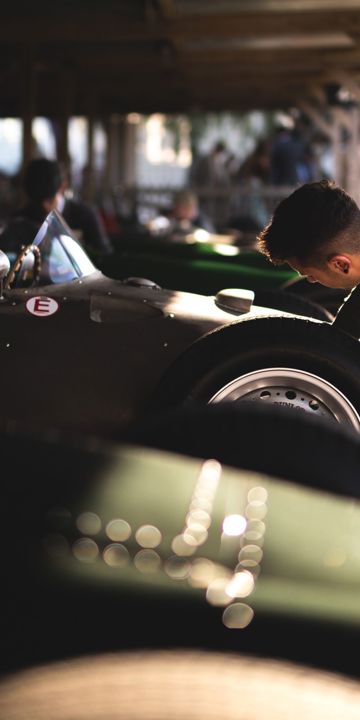

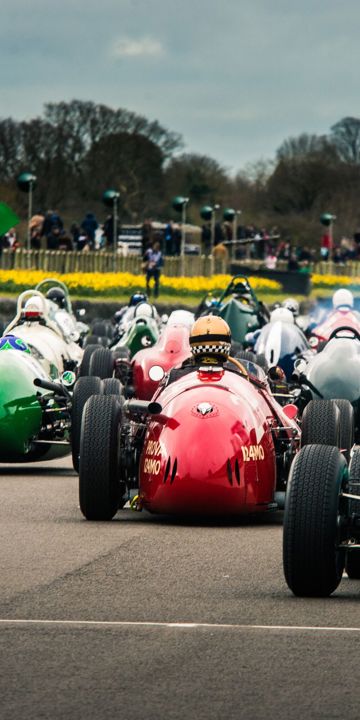
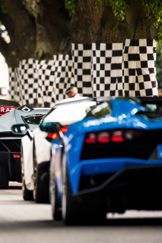
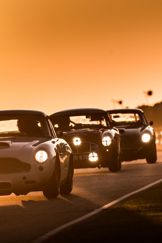

The Fiat S76 or "Beast of Turin" is a Goodwood favourite and can usually be heard before it is seen at #FOS


Sir Stirling Moss was one of the founding patrons of the Festival of Speed, and a regular competitor at the Revival.


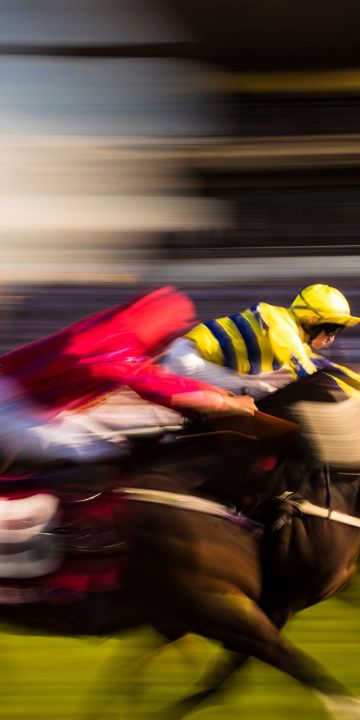
The first ever horsebox was used from Goodwood to Doncaster for the 1836 St. Leger. Elis arrived fresh and easily won his owner a £12k bet.


The first ever horsebox was used from Goodwood to Doncaster for the 1836 St. Leger. Elis arrived fresh and easily won his owner a £12k bet.


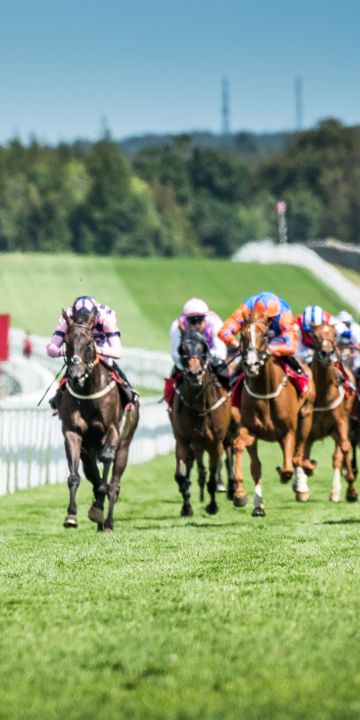
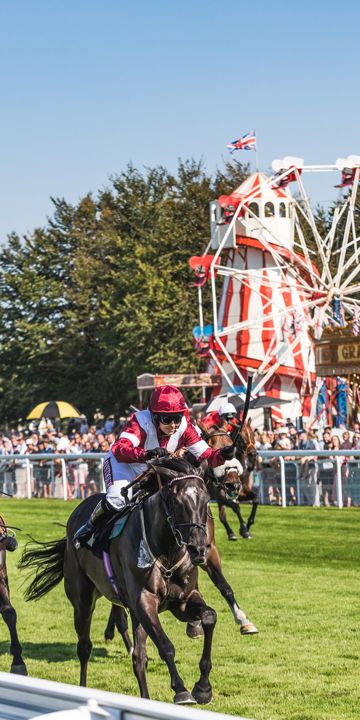
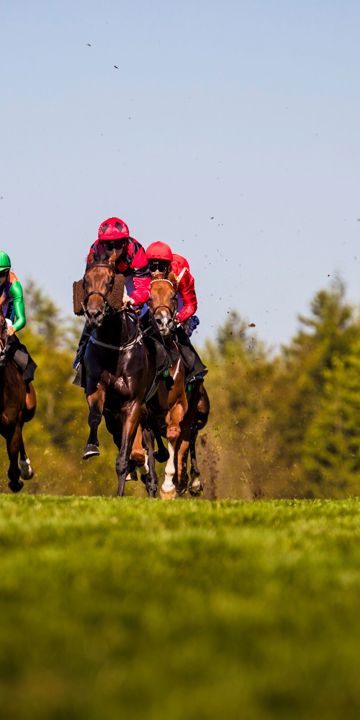
Whoa Simon! A horse so determined and headstrong, he not only won the 1883 Goodwood Cup by 20 lengths, but couldn't be stopped and carried on running over the top of Trundle hill


The first thing ever dropped at Goodwood was a cuddly elephant which landed in 1932 just as the 9th Duke of Richmonds passion for flying was taking off.


The Gordon Tartan has been worn by the Dukes and Duchesses over the last 300 years.


The oldest existing rules for the game were drawn up for a match between the 2nd Duke and a neighbour


Each room has it's own button to ring for James (your butler) whenever and whatever you need him for.


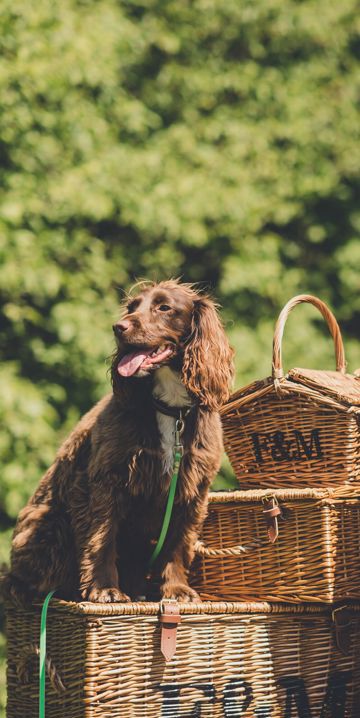
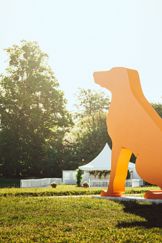
Easy boy! The charismatic Farnham Flyer loved to celebrate every win with a pint of beer. His Boxer dog, Grogger, did too and had a tendancy to steal sips straight from the glass.


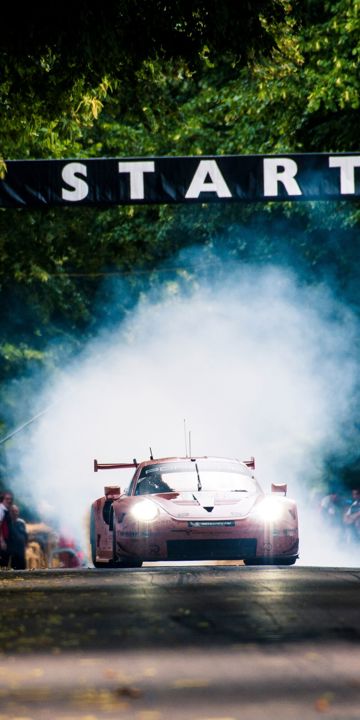
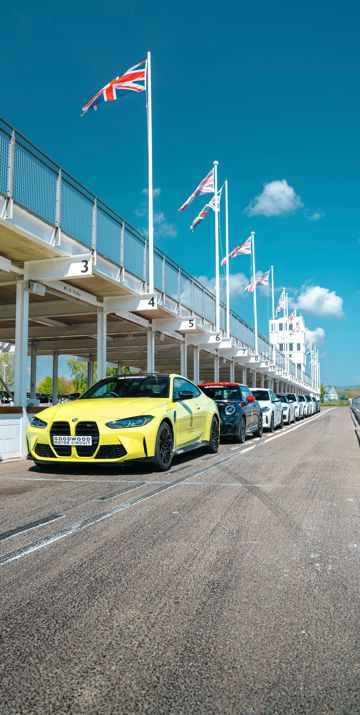
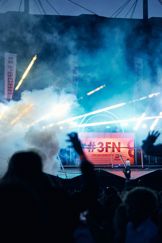
FOS Favourite Mad Mike Whiddett can be caught melting tyres in his incredible collection of cars (and trucks) up the hillclimb


Sir Stirling Moss was one of the founding patrons of the Festival of Speed, and a regular competitor at the Revival.


From 2005 to present there has been a demonstration area for the rally cars at the top of the hill


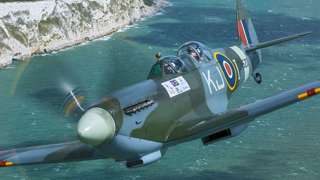
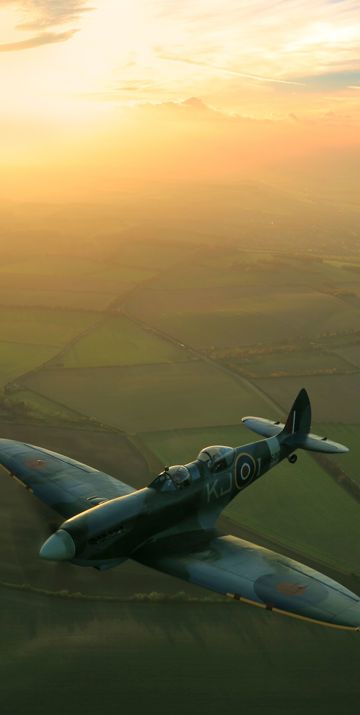
The iconic spitfire covered almost 43,000 kilometres and visited over 20 countries on its epic journey and currently resides at our Aerodrome.


FOS Favourite Mad Mike Whiddett can be caught melting tyres in his incredible collection of cars (and trucks) up the hillclimb


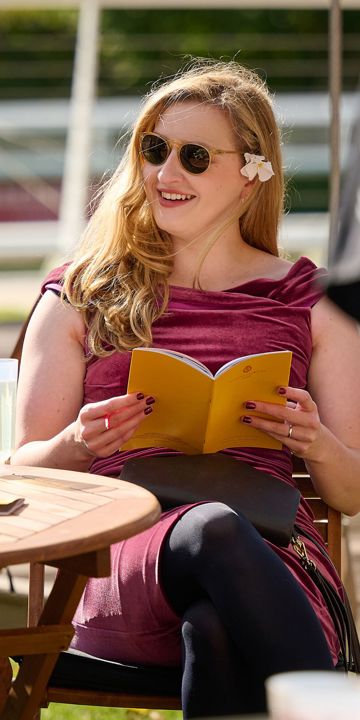
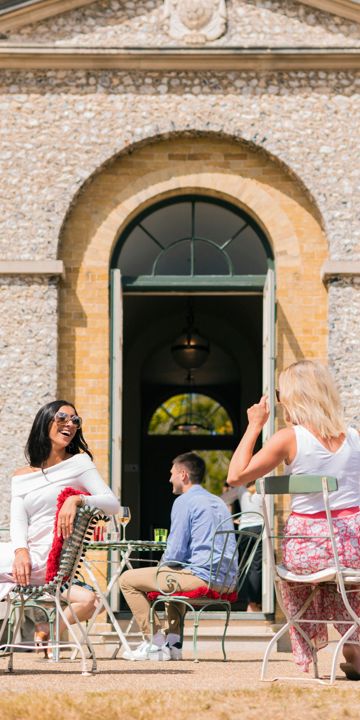
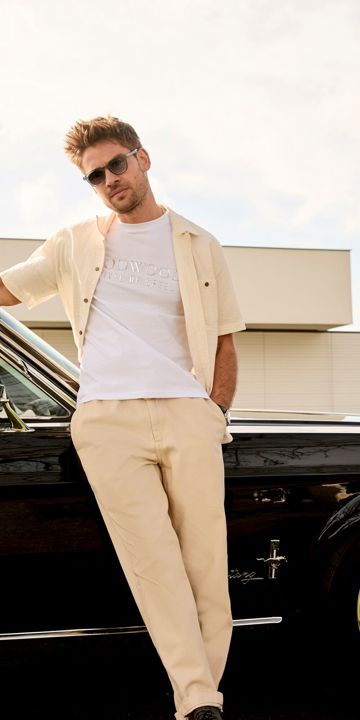
One Summer, King Edward VII turned his back on the traditional morning suit, and donned a linen suit and Panama hat. Thus the Glorious Goodwood trend was born.


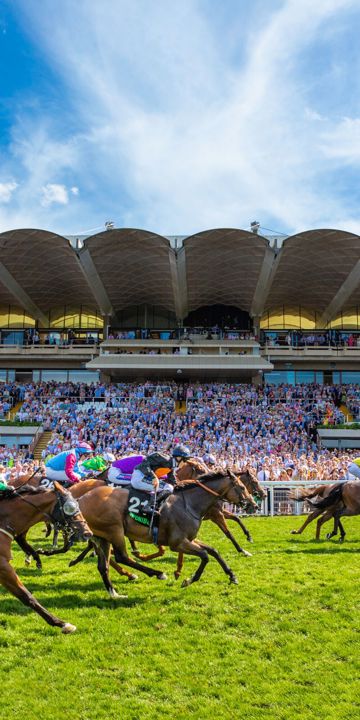
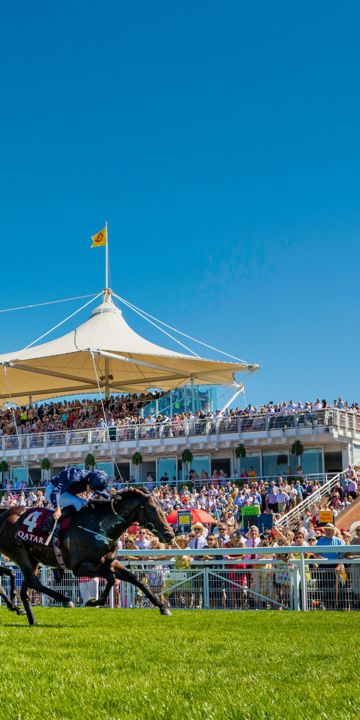
King Edward VII (who came almost every year) famously dubbed Glorious Goodwood “a garden party with racing tacked on”.


King Edward VII (who came almost every year) famously dubbed Glorious Goodwood “a garden party with racing tacked on”.


One Summer, King Edward VII turned his back on the traditional morning suit, and donned a linen suit and Panama hat. Thus the Glorious Goodwood trend was born.


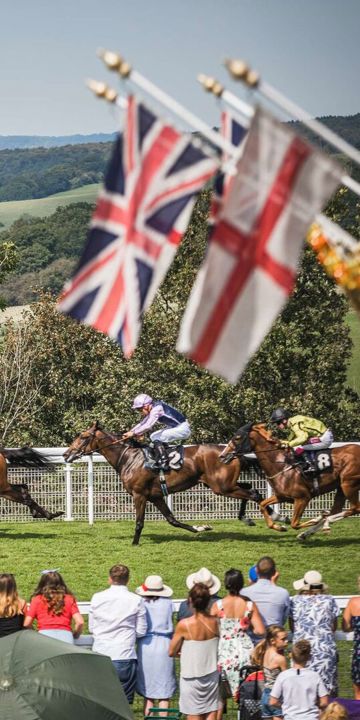
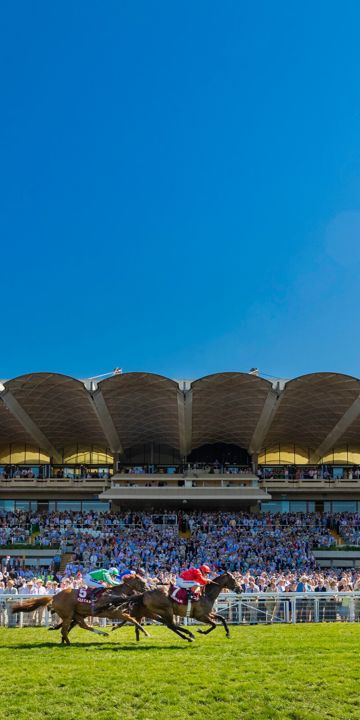
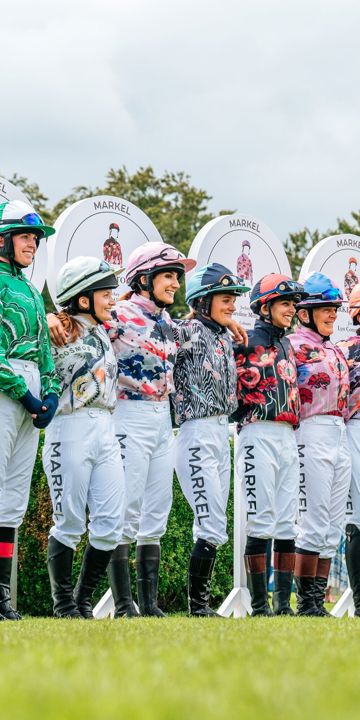
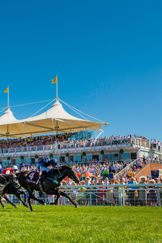
The first public race meeting took place in 1802 and, through the nineteenth century, ‘Glorious Goodwood,’ as the press named it, became a highlight of the summer season


One Summer, King Edward VII turned his back on the traditional morning suit, and donned a linen suit and Panama hat. Thus the Glorious Goodwood trend was born.


One Summer, King Edward VII turned his back on the traditional morning suit, and donned a linen suit and Panama hat. Thus the Glorious Goodwood trend was born.


The Motor Circuit was known as RAF Westhampnett, active from 1940 to 1946 as a Battle of Britain station.


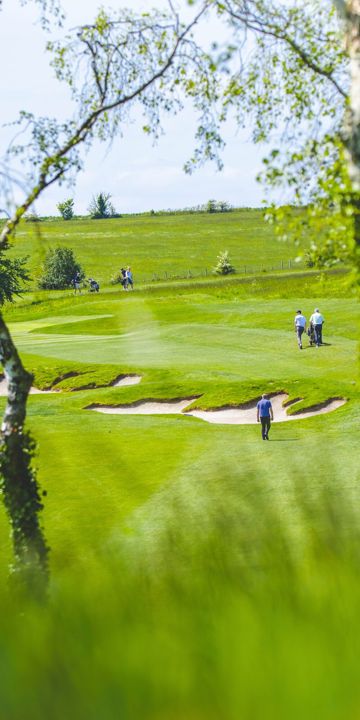
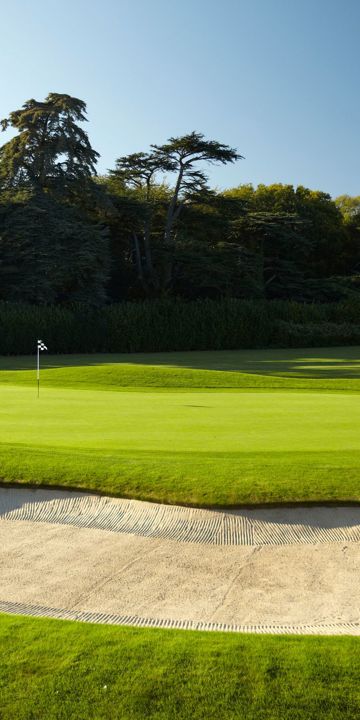
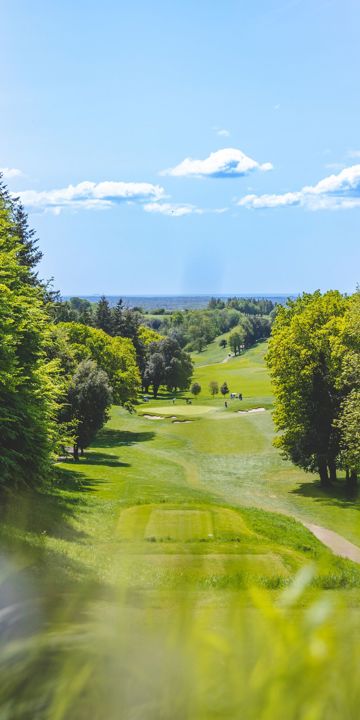
The first ever round of golf played at Goodwood was in 1914 when the 6th Duke of Richmond opened the course on the Downs above Goodwood House.


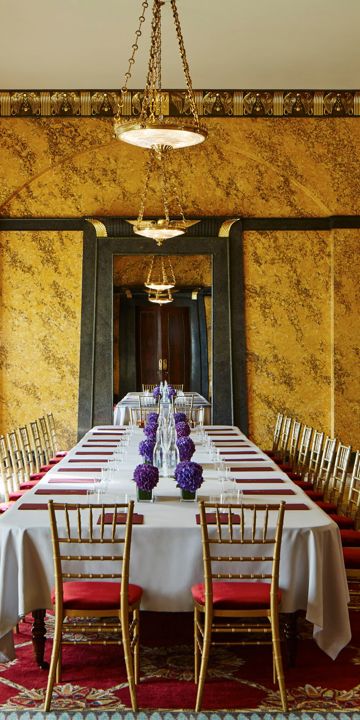
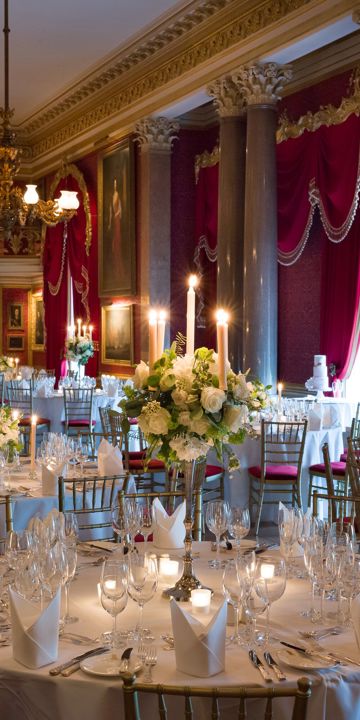
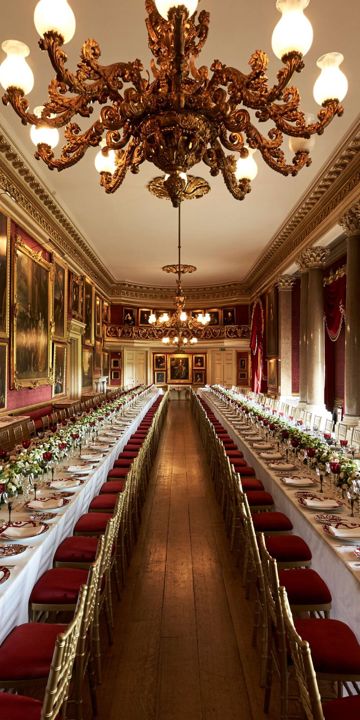
Testament to the 19th-century fascination with ancient Egypt and decorative opulence. The room is richly detailed with gilded cartouches, sphinxes, birds and crocodiles.


Whoa Simon! A horse so determined and headstrong, he not only won the 1883 Goodwood Cup by 20 lengths, but couldn't be stopped and carried on running over the top of Trundle hill


Ray Hanna famously flew straight down Goodwood’s pit straight below the height of the grandstands at the first Revival in 1998


One of the greatest golfers of all time, James Braid designed Goodwood’s iconic Downland course, opened in 1914.


The first ever round of golf played at Goodwood was in 1914 when the 6th Duke of Richmond opened the course on the Downs above Goodwood House.


One of the greatest golfers of all time, James Braid designed Goodwood’s iconic Downland course, opened in 1914.


Flying jetpacks doesn't have to just be a spectator sport at FOS, you can have a go at our very own Aerodrome!


The famous fighter ace, who flew his last sortie from Goodwood Aerodrome, formerly RAF Westhampnett has a statue in his honor within the airfield.


The first thing ever dropped at Goodwood was a cuddly elephant which landed in 1932 just as the 9th Duke of Richmonds passion for flying was taking off.


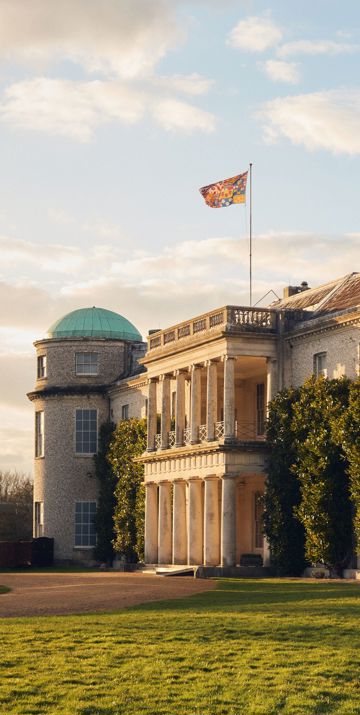
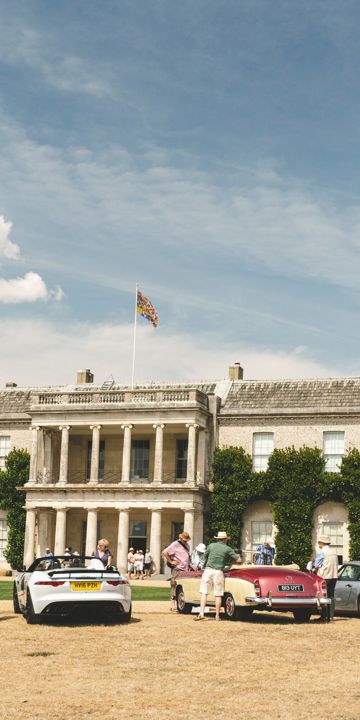
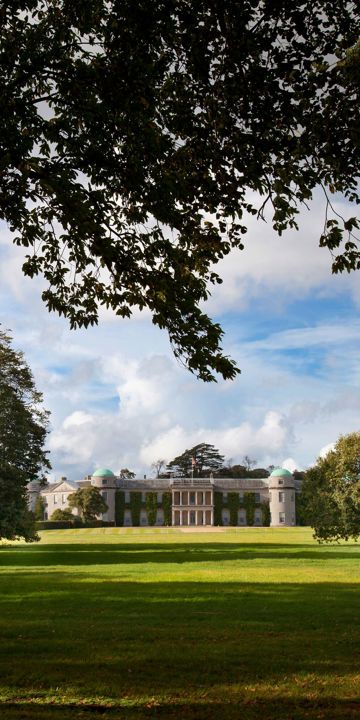
After a fire in 1791 at Richmond House in Whitehall, London, James Wyatt added two great wings to showcase the saved collection at Goodwood. To give unity to the two new wings, Wyatt added copper-domed turrets framing each façade.


As the private clubhouse for all of the Estate’s sporting and social members, it offers personal service and a relaxed atmosphere


Ensure you take a little time out together to pause and take in the celebration of all the hard work you put in will be a treasured memory.


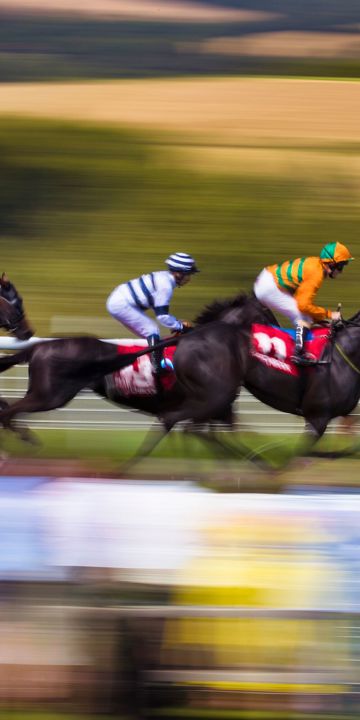
The red & yellow of the Racecourse can be traced back hundreds of years, even captured in our stunning Stubbs paintings in the Goodwood Collection


The Motor Circuit was known as RAF Westhampnett, active from 1940 to 1946 as a Battle of Britain station.


Whoa Simon! A horse so determined and headstrong, he not only won the 1883 Goodwood Cup by 20 lengths, but couldn't be stopped and carried on running over the top of Trundle hill


"En la rose je fleurie" or "Like the rose, I flourish" is part of the Richmond coat of Arms and motto


The Motor Circuit was known as RAF Westhampnett, active from 1940 to 1946 as a Battle of Britain station.


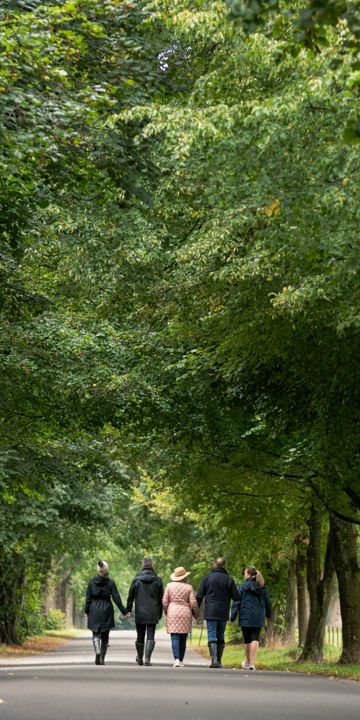
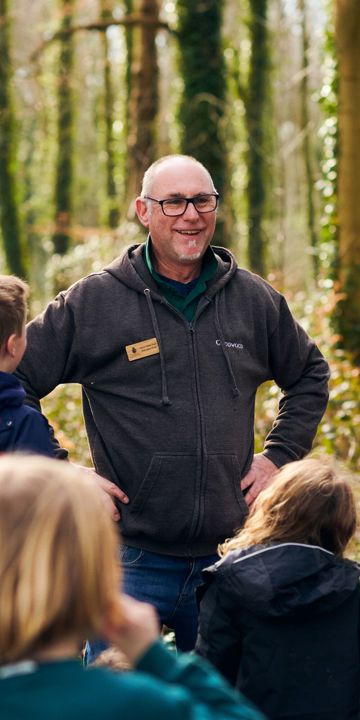
A 20m woodland rue, from Halnaker to Lavant, was planted by our forestry teams & volunteers, featuring native species like oak, beech, & hornbeam


We have been host to many incredible film crews using Goodwood as a backdrop for shows like Downton Abbey, Hollywood Blockbusters like Venom: let there be Carnage and the Man from U.N.C.L.E.


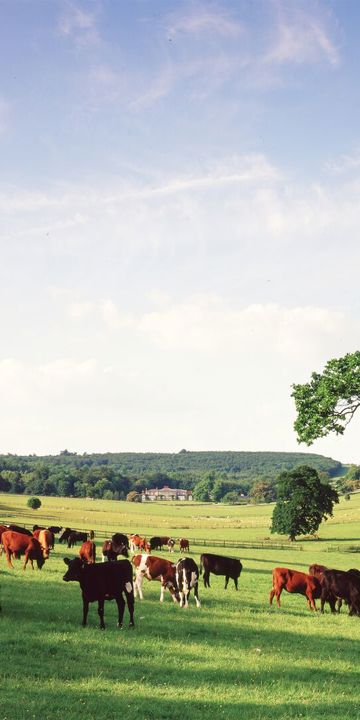
Goodwood’s pigs are a mix of two rare breeds (Gloucester Old Spots and Saddlebacks) plus the Large White Boar.


Testament to the 19th-century fascination with ancient Egypt and decorative opulence. The room is richly detailed with gilded cartouches, sphinxes, birds and crocodiles.


From £275 per person
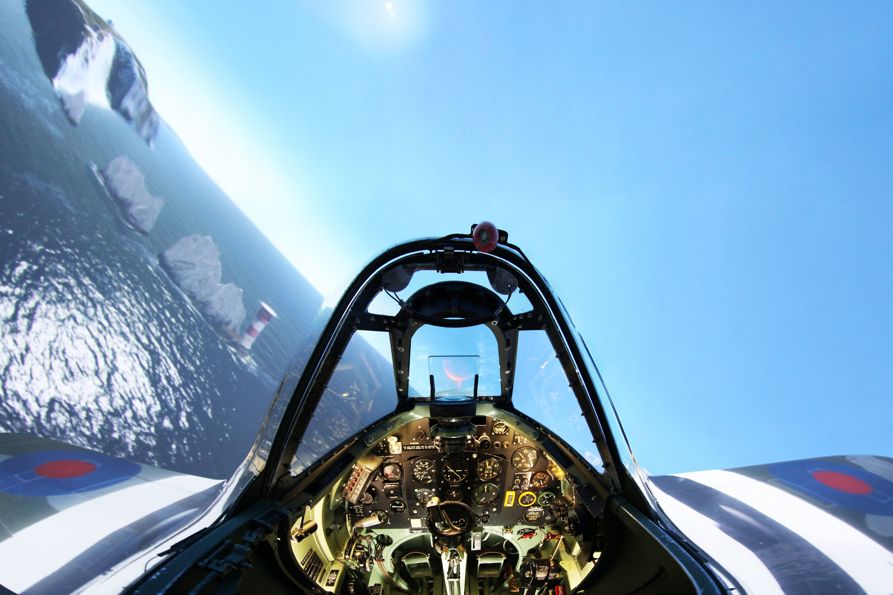
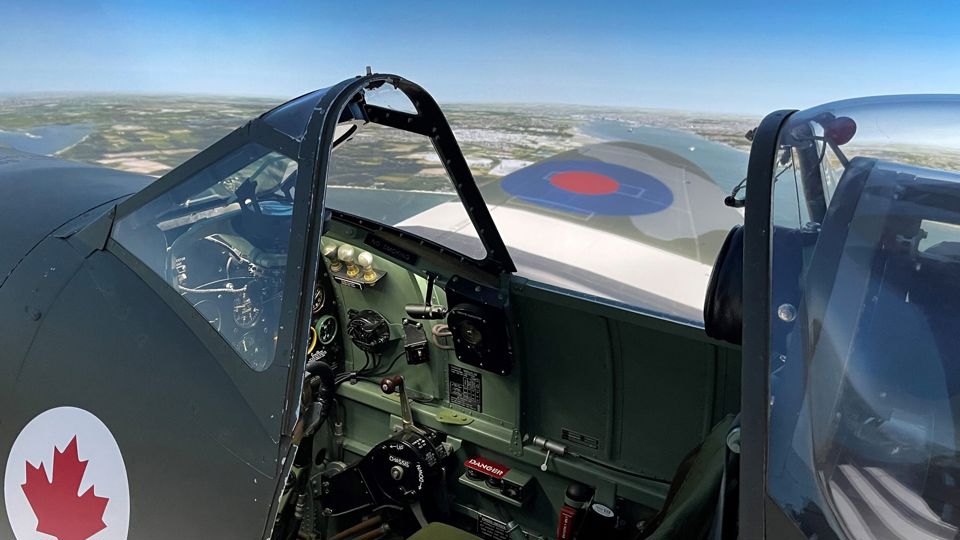
Fly the world's only Spitfire Simulator. It's not the closest thing to flying a real Spitfire, it is flying a real Spitfire!
Fly the world's only Spitfire Simulator that can be used for training new Spitfire pilots as well as giving fantastic flight experiences to non-pilots. The simulator has three key components that make it so unique and special. It's not the closest thing to flying a real Spitfire, it is flying a real Spitfire!
A 30-minute slot in the Simulator
This includes:
• Roughly 20 minutes airborne
• One guest to accompany you to watch
• Expect to be at the Academy for 1 hour
A 60-minute slot in the Simulator
This includes:
• Roughly 50 minutes airborne
• One guest to accompany you to watch
• Expect to be at the Academy for 1.5 hours
• Roughly 20 minutes airborne
• One guest to accompany you to watch
• Expect to be at the Academy for 1 hour
• Roughly 50 minutes airborne
• One guest to accompany you to watch
• Expect to be at the Academy for 1.5 hours
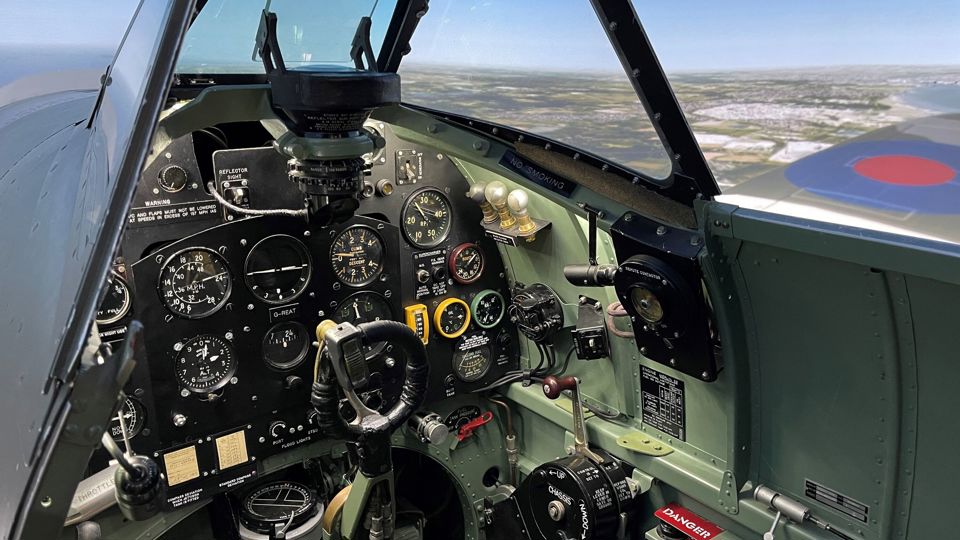
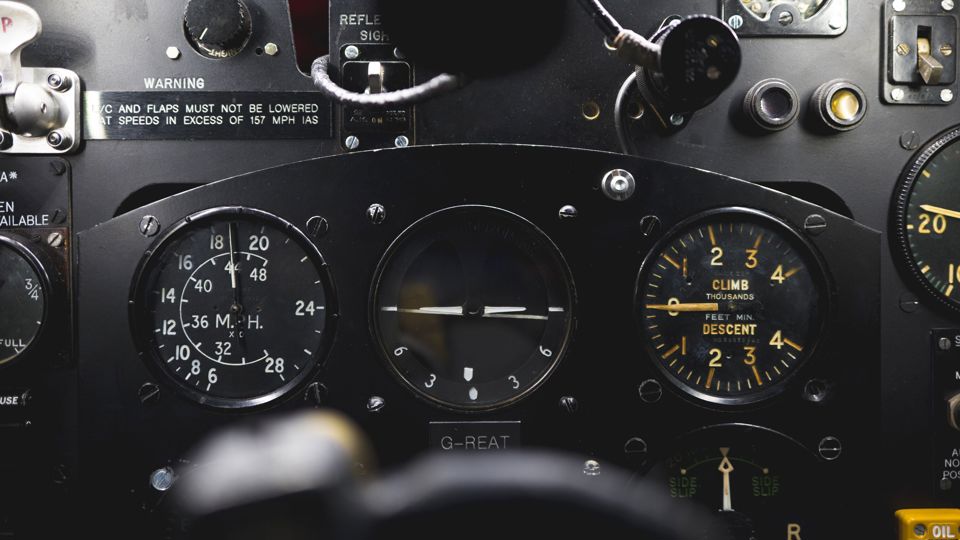
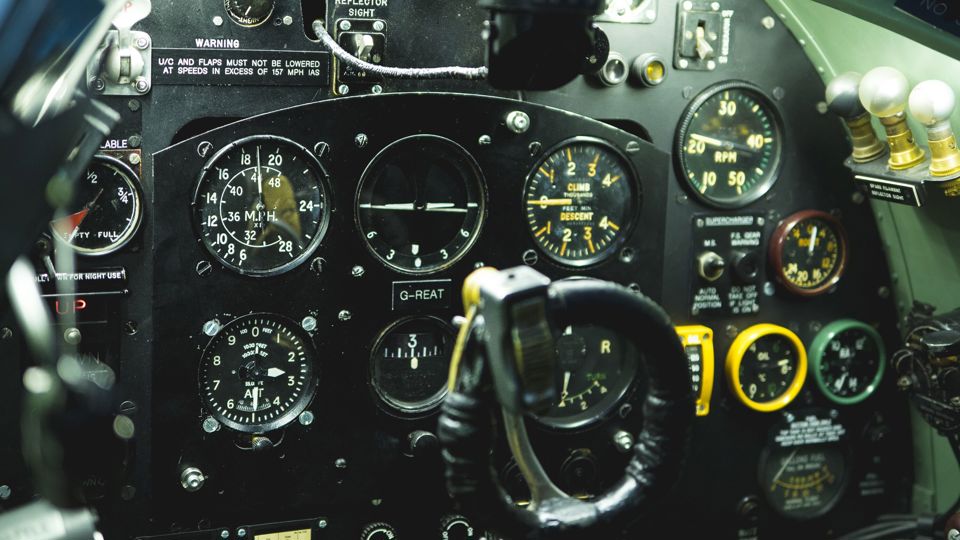
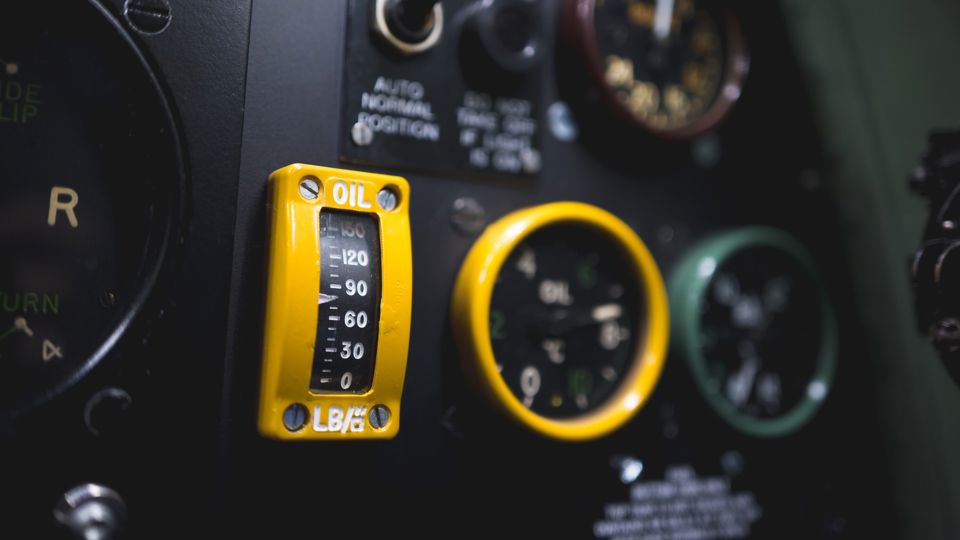
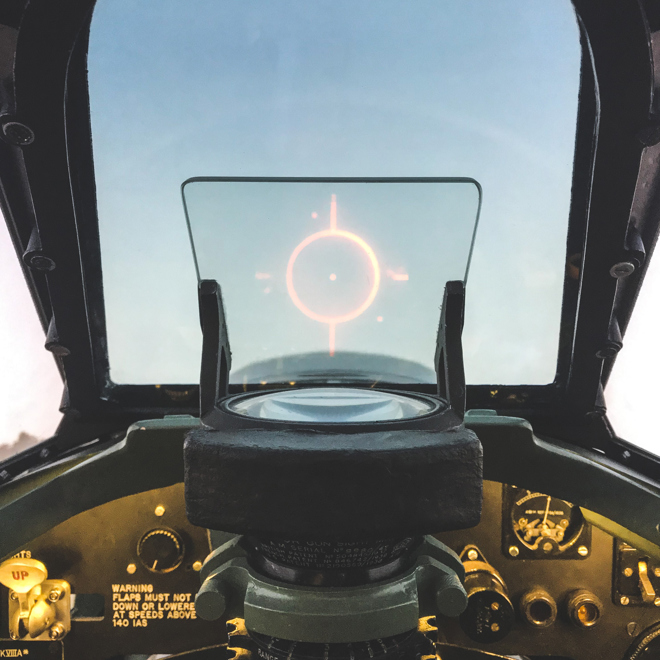
The fuselage has been built from roughly 50% wartime parts meaning the airframe has actually, in part, fought in defence of our freedom. The next 40% has been made from parts destined for modern restorations that didn't quite pass the stringent quality control standards required for newly restored aircraft. The final 10% of parts have been made specifically for the simulator to aid with converting analogue to digital information. The cockpit is indistinguishable from the real thing, even when viewed by a wartime veteran or when being used by a modern-day Spitfire pilot. The gauges are all original. Their inner workings have been removed and replaced with modern electronics so that computers can drive them. However, they all retain their original dials and needles. Custom software has been used to imitate “needle wobble”, just like the instruments in the real aircraft. All the controls and dials work exactly as they should. Many of the controls are original and wartime, including the spade grip with which you fly the aircraft. When you fly this simulator, you are flying a piece of history. Original wartime parts include but are not limited to: Spade grip parts, fuselage frames, rudder mechanism parts, the fuel tank cover, all instruments, the undercarriage selector, the primer pump, the seat belt mechanism, the canopy frame, door mechanism parts, switches, throttle quadrant parts, the gunsight, numerous other controls and more.
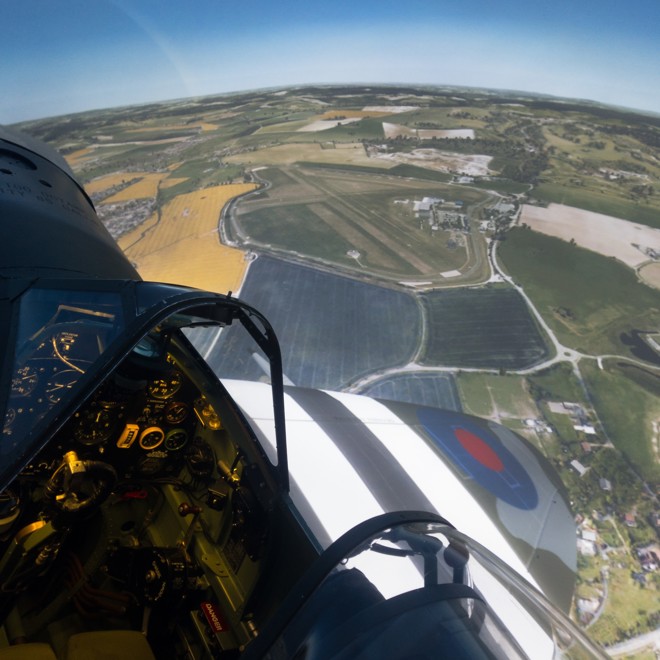
The fuselage is mounted within a fibreglass dome with a 1.5m radius. It covers 220° horizontally meaning when you look forward and up, all you can see is the projected world. Seven projectors are mounted on a “tree” at the rear of the fuselage and their images are blended on the domed surface so that it is impossible to tell where one projection starts and another finishes. The centre of the dome is situated at the eyepoint of the pilot. The nose of the aircraft is projected and so are the wings. They are exactly correct to size and scale, once viewed from the seat in the cockpit. The flaps and ailerons all move as you would expect. Photo realistic countryside has been added to the simulation for Goodwood Aerodrome, Southampton Airport, Shoreham Airport and the surrounding area meaning every house on the ground is represented in the projection.
The Merlin engine’s distinct sound is provided through the headset that is worn by the pilot in the cockpit. The simulator instructor can also talk to you as an instructor or air traffic controller while you hear the engine’s soundtrack in the background. This greatly adds to the level of immersion you will feel when you're flying the simulator.
The final components that will fool you into believing that you are actually flying a Spitfire are the motion and force feedback systems. The motion system works in the pitch axis so that bumps on the runway, engine vibrations and turbulence can all be felt through the airframe. As the Spitfire is an aircraft that can essentially be flown by feel (it really does talk to you), we thought it essential to add this element to provide realism. Additionally, the controls are attached to force feedback units that are designed to mimic the characteristics of the flight controls of the Spitfire. As you accelerate, the controls get harder to move. As you slow down, they are moved to almost full deflection to retain directional stability. This is another way in which the Spitfire communicates with the pilot. The combination of these two systems working together adds that final and essential element of realism necessary to make you believe completely that you are actually flying the Spitfire!
This experience is available throughout the year. Please telephone the team at Spitfires.com on 01243 531147 to book the date and time of your flight
Simulator pilots cannot be heavier than 110kgs and not above 193cm tall and must be physically able to enter and exit the simulator unassisted.
One guest can accompany you to watch you take flight.
Comfortable clothing is recommended along with enclosed footwear.
Vouchers are valid for 12 months from the date of purchase.

Truly great experience, very enjoyable and very realistic. Loved every minute of it. Already considering going back!
spitfire simulator experience guest